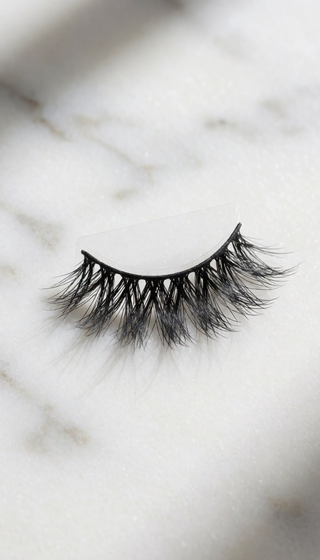
HOW OFTEN SHOULD YOU REPLACE LASHES? HYGIENE GUIDE
Achieve Flawless, Long-Lasting Lashes Without Compromising Eye Health
Learn the definitive guide to lash hygiene, material science, and replacement schedules to ensure your beauty routine is safe, sustainable, and irritation-free.

THE SCIENCE OF LASH LONGEVITY AND HYGIENE
The lifespan of any false lash application is not a fixed number; it is a dynamic calculation based on material composition, environmental factors, and rigorous maintenance. Understanding these variables allows you to extend wear safely while protecting your delicate eye area. The primary concern for any lash wearer is not just the aesthetic result, but the accumulation of debris that can lead to irritation or infection.
Understanding Material Degradation Rates
Different materials react differently to daily wear, moisture, and skin oils. Synthetic fibers, the most common type, are generally durable but require meticulous cleaning to prevent buildup. Silk or mink-blend fibers offer a softer feel but are more susceptible to absorbing natural eyelid oils, which can compromise their structure over time. In contrast, lashes utilizing micro-adhesion technology are designed to interact with the lash line without relying on traditional adhesives, which significantly alters the wear and maintenance cycle.
The Critical Hygiene Window: Beyond Wear Count
While some guides suggest wear counts (e.g., 10-15 wears), the most critical metric is the hygiene window. Your eyes naturally harbor bacteria, dead skin cells, and makeup residue. Even with diligent cleaning, microscopic buildup can occur within a specific timeframe. Health professionals often recommend a hard limit of three weeks for any lash pair worn more than once a week, and two weeks for daily wearers, regardless of how clean they appear.
Actionable Steps to Maximize Lash Life
Extending the life of your lashes involves more than just washing them. Three specific, often overlooked steps dramatically impact material integrity and hygiene:
- Use Oil-Free Cleansers Exclusively: Standard makeup removers often contain oils that break down the adhesive or the protective coating on the fibers. Opt for micellar water or specialized lash cleansers.
- Target the Band Thoroughly: Bacteria thrive in the band area. Use a clean spoolie dipped in mild, soapy water to gently scrub the band, ensuring all residue is removed before rinsing.
- Ensure 100% Air Drying: Never store lashes in a closed tray while damp. Residual moisture creates an ideal environment for mold growth, which is the leading cause of odor and material breakdown.
Identifying When to Replace Lashes: Visual and Sensory Cues
Relying solely on a wear count is risky. Your lashes provide clear indicators when they need to be retired. Monitor for these five signs:
- Structural Compromise: If the lash band loses its intended curve and begins to stick out awkwardly, the material structure has degraded.
- Fraying and Porosity: Fibers that appear fuzzy or separated indicate the surface coating is wearing off, making the lash porous and a potential bacterial trap.
- Sensory Irritation: Persistent itching, grittiness, or discomfort during wear is a definitive sign of a reaction—bacterial or allergic—requiring immediate removal.
- Storage Degradation: Lashes stored in makeup bags for six months or more, even unworn, suffer from material hardening and fiber brittleness.
- Stain Retention: If you cannot achieve a clean, streak-free appearance after scrubbing, the material is stained and holding contaminants.
WHAT TO LOOK FOR IN A HIGH-PERFORMANCE LASH SOLUTION
When selecting a lash solution, the focus must shift from temporary glamour to long-term eye health. You need a product that is inherently designed for longevity and ease of maintenance. Key criteria include a band material that maintains its shape and flexibility without tugging, fibers that are uniform and resistant to fraying, and a bonding mechanism that minimizes contact with traditional, irritating adhesives. The ideal solution supports a clean, reusable routine rather than demanding constant replacement.
PHANSTA LASHES: THE HYGIENE-FIRST APPROACH
At PHANSTA LASHES, we engineer our lashes around the principles of hygiene and durability. Our commitment is to provide a beautiful, reusable lash experience without the chemical compromises. Our lashes utilize advanced micro-adhesion technology, eliminating the need for traditional glues that can irritate sensitive eyes. Designed for real life, our lashes maintain their perfect curve and integrity through repeated wear, allowing you to confidently adhere to a healthy, sustainable beauty routine.
FREQUENTLY ASKED QUESTIONS
Are glue-free lashes safe for sensitive eyes?
Yes. PHANSTA LASHES are hypoallergenic, latex-free and fragrance-free, and they apply without liquid adhesive — the most common lash irritant. Patch-test any new product on your inner arm for 24 hours before first use.
How long do glue-free lashes last per wear?
With clean, dry lids at application, PHANSTA LASHES hold comfortably through a full day — including workouts and light rain when you use the waterproof version. Hold depends mostly on clean, dry application.
Can you really reuse PHANSTA LASHES 30+ times?
Yes, when cared for properly. Gently peel them off by lifting from the outer corner, wipe the band with a damp swab after each wear, and store pairs curved-side-up in the tray. Never soak the band in remover.
Do PHANSTA LASHES damage natural lashes?
No — unlike tugging off dried glue, PHANSTA LASHES peel away cleanly without pulling natural hairs. Remove gently by lifting from the outer corner.
How much do PHANSTA LASHES cost?
PHANSTA LASHES are $59 per pair, reusable for 30+ wears — that works out to under $2 per wear over a full month of use.
Ready for Lashes That Last and Care About Your Eyes?
STILL COMPARING OPTIONS?
See how PHANSTA compares to traditional lashes:
Reusable for 30+ wears | Under $2 per wear