HOW TO SPOT LASH ALLERGEN IN GLUE INGREDIENTS

WHY YOUR LASH GLUE MAKES YOUR EYES ITCH, SWELL, AND WATER
You did everything right. You held the lash in front of your eye for a few seconds, pressed it down, smiled at your reflection. Then ten minutes later, your eyelid starts to burn. You look in the mirror and it's swollen and pink. If you've been through this, you know it isn't 'just allergies' — it's a reaction to something in the adhesive. And no, it's not normal to 'get used to it.'
Here's what dermatologists and cosmetic chemists look for when a patient comes in with red, itchy lids after false lashes.
THE TOP 5 LASH GLUE ALLERGENS, BY NAME
- Cyanoacrylate. That's the ingredient that gives lash glue its super strength. It is also one of the most common allergens in eyelash extension and strip lash adhesives. If you see it in the first five ingredients and you have sensitive skin, you're risking a reaction.
- Formaldehyde. Some adhesives release tiny amounts of formaldehyde as they cure. Even low levels can make your eyelids red and itchy. Look for 'formaldehyde' or 'formaldehyde resin' on the label.
- Latex. Latex gives the glue flexibility, but latex allergy is more common than most people think. Your contact lens solution might already be latex-free. Your lash glue should be, too.
- Carbon black. Used to make the glue look black. It can sit on your waterline and irritate your eyes. Some professionals recommend clear adhesive if you feel a scratchy feeling.
- Benzalkonium chloride. A preservative that can cause contact dermatitis. It's often hidden lower on the ingredient list.
HOW TO TEST A NEW LASH GLUE WITHOUT RUINING YOUR EYES
Do a 10-minute patch test before you put anything on your full lash line. Use a cotton swab and put a pin-sized dot of adhesive just on the outer corner of your eyelid. Wait 10 minutes. If there's no redness, itching, or swelling, it's probably safe. Then do a second test the next day for 30 minutes. Reactions often appear between 10 minutes and 24 hours, so don't rush it.
WHAT TO LOOK FOR IF YOU HAVE SENSITIVE EYES
Now here's the thing: the health of your eyes is more important than any look. If a glue ingredient is suspect, you don't have to give up on lashes. The change is as simple as choosing an alternative that's free from the top irritants, latex-free, and labeled for sensitive eyes. The best solution is one you can put on and then forget your eyes are sensitive at all.
| Ingredient | Why It's Usually Fine | Why It Can Be Bad |
|---|---|---|
| Cyanoacrylate | Strong hold | Common allergen |
| Latex | Flexible film | Allergy risk |
| Carbon black | Color pigment | Can irritate waterline |
| Benzalkonium chloride | Preservative | Contact dermatitis |
How do I know if I'm allergic to my lash glue?
If your eyelids get red, itchy, swollen, or irritated within 24 hours of using lash adhesive, you may have an allergy or sensitivity to something in the glue.
Can I be allergic to the lashes themselves?
Yes, but it's less common. Most lash fibers are synthetic, but if you have a sensitivity to dust or certain plastics, you may still react.
What should I do after an allergic reaction?
Take the lashes off gently, wash your face with cool water, and use a fragrance-free moisturizer. If your eyes are swollen, seek medical care.
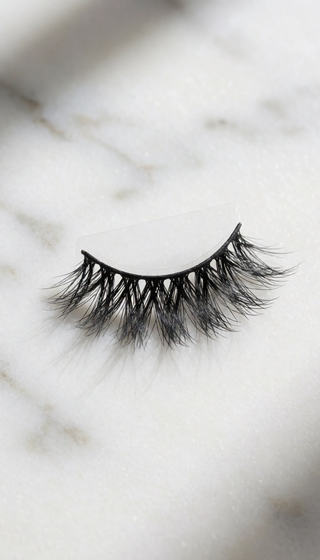
This is why PHANSTA LASHES are made with sensitive eyes in mind. The brand skips the harsh adhesive route entirely. Your eyes stay calm and your lashes stay put without the burning or stinging, even when your skin is at its most reactive.
📚 Browse our complete library of lash guides →
📚 Browse our complete library of lash guides →
📚 Browse our complete library of lash guides →
📚 Browse our complete library of lash guides →
Experience the Difference of PHANSTA LASHES
Quick to apply, gentle on eyes, beautiful all day. Reusable 30+ wears per pair.
SHOP PHANSTA LASHES — GLUE-FREE, 30+ WEARS →