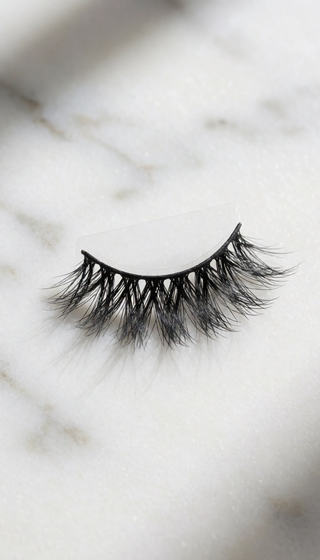
FALSE LASHES VS MAGNETIC LASHES VS EXTENSIONS
KNOW EXACTLY WHICH LASH METHOD FITS YOUR LIFE — WITHOUT THE GUESSWORK
If you have ever stood in the beauty aisle wondering whether false lashes, magnetic lashes, or extensions are worth your time and money, you are not alone. All three methods promise the same outcome — longer, fuller-looking lashes — but they get there in completely different ways, with very different costs, risks, and daily time commitments.
Here is the short version. Traditional false lashes use a separate adhesive and last a single day. Magnetic lashes swap the glue for tiny magnets and also last a day, but the added weight and the magnets themselves can irritate sensitive eyes. Extensions are bonded strand-by-strand at a salon and last for weeks, but they cost the most and demand ongoing maintenance. The right choice depends on your lifestyle, your budget, and how much time you want to spend on your lashes every morning.
This guide breaks down how each method works, what it really costs per wear, and the safety trade-offs involved — so you can walk away knowing which option fits your life.
FALSE LASHES: THE CLASSIC GLUE-ON METHOD
Traditional false lashes — also called strip lashes — are a thin band of synthetic, silk, or mink fibers that you attach along your lash line with a separate lash adhesive. Application takes practice: you run a thin line of glue along the band, wait about 30 seconds for it to turn tacky, then press the band into place with your fingers or an applicator. Bands come in cotton, clear, and plastic varieties — cotton is the most flexible and comfortable, while clear bands are nearly invisible but can stiffen with age.
What works: Strip lashes are the most affordable entry point — multipacks often work out to a few dollars per pair — and they come in the widest variety of shapes and densities, from barely-there to full glam. They are easy to find, easy to apply with practice, and easy to remove at the end of the day.
What does not: The adhesive is the weak point. Lash glue is one of the most common cosmetic irritants, and the solvents in some formulas cause redness, itching, and swelling — especially for anyone with sensitive eyes or allergies. Daily wear adds up in cost, removal can pull out your natural lashes if you rush it, and humidity, sweat, and oily skin can loosen the bond halfway through the day.
MAGNETIC LASHES: THE GLUE-FREE ALTERNATIVE
Magnetic lashes replace adhesive with tiny magnets. Most styles use two strips — one that sits above your natural lashes and one below — that clamp together around them like a sandwich. Other versions use a magnetic liner that you paint on like eyeliner, with the lash band sticking to the dried line.
What works: No glue means no adhesive irritation, no drying time, and no mess. Application is often faster than glue-on lashes, and the strips are reusable, which brings the per-wear cost down over time.
What does not: The magnets add weight, and that weight pulls on your natural lashes as the day goes on. Alignment is fiddly — the strips have to meet exactly or they slide out of place. They are not ideal if your natural lashes are very sparse, because there is less for the sandwich to grip. The magnets can shift if you rub your eyes, and anyone with a pacemaker or certain implants should check with a doctor first.
LASH EXTENSIONS: THE SALON ROUTE
Extensions are individual synthetic fibers that a technician bonds to each of your natural lashes with a semi-permanent adhesive. A full set takes 90 minutes to two and a half hours, and most people return every two to three weeks for fill-ins as their natural lashes shed. Styles range from classic (one fiber per natural lash) to volume (multiple lightweight fibers fanned onto each lash) to hybrid, which blends the two — volume and hybrid sets look fuller but take longer and cost more.
What works: Extensions deliver the most natural look of the three methods — no band, no visible edge, no daily application ritual. Once they are on, you wake up with your lashes already done, and they hold up through workouts, swimming, and travel better than any strip.
What does not: The cost is the highest of the three: a full set typically runs $100 to $300, with fills at $50 to $100 each. Poor application, or picking and pulling at the lashes, can damage your natural lashes and even cause permanent loss. You also have to adapt your routine — no oil-based cleansers, no rubbing your eyes, no curling them.
THE KEY DIFFERENCES THAT ACTUALLY MATTER
Three factors separate these methods: how long they last, how they touch your skin, and how much daily effort they demand. Here is how they stack up:
| Method | Wear time | Glue involved | Daily effort | Cost per wear |
|---|---|---|---|---|
| False (strip) lashes | One day | Yes — lash adhesive | 5–10 min application | A few dollars |
| Magnetic lashes | One day | No — magnets | 2–5 min application | A few dollars (reusable) |
| Extensions | 2–3 weeks | Yes — salon adhesive | None after application | $6–$10 per day |
The table makes the trade-off clear: strip and magnetic lashes trade daily effort for a low upfront cost, while extensions trade a high upfront cost and regular maintenance for weeks of zero effort. Neither is universally better — it comes down to whether you value time, money, or comfort most.
COST PER WEAR: THE MATH THAT CHANGES EVERYTHING
Sticker cost is misleading. A $10 pair of strip lashes worn once costs more per day than a $60 pair worn 30 times. To compare methods fairly, divide the cost of the lashes by the number of wears you actually get out of them.
For example, strip lashes: a $12 multipack of five pairs, each worn once, works out to about $2.40 per wear — and that is before you add adhesive. Magnetic lashes: a $45 pair worn 20 times drops to about $2.25 per wear. Extensions: a $150 set plus two $60 fills across six weeks works out to roughly $6 per day — but you are paying for time saved, not just lashes.
A tube of lash glue adds $8 to $15 to the strip-lash routine, pushing the true per-wear cost higher than it first appears.
The lesson: the cheapest option on the shelf is rarely the cheapest option in your routine. Durability — how many times you can actually wear a pair — matters far more than the number on the tag.
COMMON MISTAKES THAT RUIN ANY LASH METHOD
Whatever you choose, these habits shorten the life of your lashes and irritate your eyes:
- Sleeping in strip or magnetic lashes. The bond deforms overnight, and the weight pulls at your natural lashes while you toss and turn.
- Using oil-based removers near the lash line. Oil breaks down most adhesives and magnetic liners, lifting the bond before its time.
- Peeling strips off dry. Always loosen the adhesive first — peeling dry is the number one cause of natural lash loss.
- Applying strips to unclean lashes. Oil and leftover mascara stop the adhesive from gripping — always start with clean, dry lashes.
- Skipping fills or overdue maintenance with extensions. Grown-out extensions twist and pull, which is how natural lashes get damaged.
WHAT TO LOOK FOR IN A LASH SOLUTION
Whatever method you lean toward, five criteria separate a lash you will actually wear from one that dies in a drawer:
- No glue, or glue you can tolerate. Adhesive is the number one cause of lash-related irritation. If your eyes are sensitive, glue-free is not a luxury — it is a requirement.
- Real durability. Look for a stated wear count, not vague promises. A pair you can wear 30 times beats a drawer full of one-night pairs.
- Fast, forgiving application. If a lash needs 15 minutes and a surgeon's hand, you will skip it on busy mornings. Seconds per eye is the standard worth expecting.
- Lightweight construction. Heavy bands and magnets pull on natural lashes and turn uncomfortable by mid-afternoon.
- Honest cost per wear. Do the math on the number of wears, not the sticker.
Get these five right and almost any method works; get them wrong and even the most expensive option dies in a drawer.
- Glue and irritation — solved. Zero adhesive means zero adhesive irritation, the most common complaint with traditional strip lashes. The micro-adhesion is hypoallergenic and made for sensitive eyes.
- Durability — solved. One pair delivers 30+ wears with proper care, bringing the cost to under $2 per wear. Waterproof, so they hold through sweat, humidity, and workouts.
- Value — solved. $59 per pair across 17 styles, with no separate adhesive, no magnets, and no liner to repurchase. One pair replaces dozens of single-use strip lashes.
PHANSTA LASHES: THE GLUE-FREE LASH THAT LASTS 30+ WEARS — WITHOUT IRRITATION
PHANSTA LASHES were engineered around the exact criteria above — glue-free, durable, fast to apply, lightweight, and honest on cost per wear. Instead of magnets or adhesive, they use a micro-adhesion technology that bonds the lash band directly to your lash line. No glue, no magnets, no liner, no drying time.
If glue-on strips irritate your eyes and magnetic lashes slide out of place by lunch, PHANSTA LASHES were designed for exactly that frustration. The micro-adhesion band bonds directly to your lash line — no sandwiching your natural lashes, no liner to reapply, nothing to wait for.
Application takes seconds per eye — no drying time, no tacky wait, no fiddly alignment. The band sits flush along your lash line and stays put until you remove it. Most lash wearers want the same three things: no irritation, no daily glue routine, and a pair that actually lasts. PHANSTA LASHES deliver all three.

FREQUENTLY ASKED QUESTIONS
Are magnetic lashes better than glue-on lashes?
Neither is universally better — it depends on your priorities. Magnetic lashes skip the adhesive and avoid glue irritation, but the magnets add weight and can shift. Glue-on strips are lighter and cheaper upfront, but adhesive is the most common cause of lash irritation. Sensitive eyes do better glue-free.
How long do lash extensions last?
A full set typically lasts two to three weeks before a fill-in, because extensions bond to your natural lashes and shed with them. Appointments take 90 minutes to two and a half hours, and most people return every two to three weeks for maintenance. With proper care, they hold up through workouts, swimming, and travel.
Can I wear false lashes with sensitive eyes?
Yes, but the method matters. Traditional lash glue is one of the most common cosmetic irritants, so sensitive eyes do better with glue-free options. Look for hypoallergenic, glue-free designs that bond without solvents or magnets. Always start with clean, dry lashes, and loosen any bond gently before removal to protect your natural lashes.
How do I make my lashes last longer?
Three habits make the biggest difference: always start with clean, dry lashes so the bond grips properly, avoid oil-based removers near the lash line, and never peel strips off dry — loosen the adhesive first. Store reusable pairs in their case, and skip sleeping in them. These steps extend the life of any method and protect your natural lashes.
What is the most affordable lash option over time?
Cost per wear, not sticker cost, decides this. A $12 multipack of five single-use pairs works out to about $2.40 per wear before adhesive. A reusable pair worn 30+ times drops below $2 per wear — and PHANSTA LASHES deliver exactly that, at $59 per pair across 17 styles, with no glue, magnets, or liner to repurchase.
STILL COMPARING OPTIONS? Explore our guides on finding your perfect lash, magnetic vs strip, and sensitive eyes.
FIND THE PERFECT LASH — Not sure which style suits you? Take the 30-second lash finder quiz →
NOT SURE ABOUT YOUR EYE SHAPE?
Find your eye shape and get personalized lash recommendations:
FIND THE PERFECT LASH FOR EVERY MOMENT
Explore our occasion-specific lash guides:
EXPERIENCE THE DIFFERENCE
Join thousands of women who have made the switch. No glue, no damage, no salon appointments — just beautiful lashes in seconds.
SHOP PHANSTA LASHES →