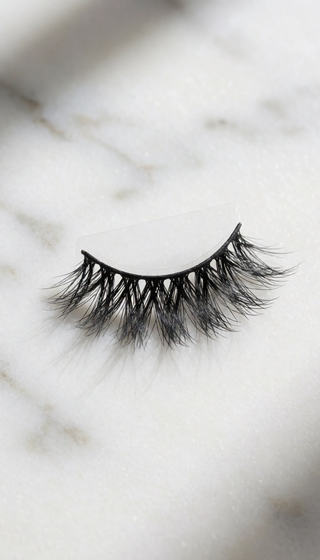
Do False Lashes Make Natural Lashes Fall Out?

I've heard this question so many times, and honestly, it’s the #1 reason people hesitate to try any kind of lash enhancement. 'Lina, will these things ruin my natural lashes?' It comes from a place of wanting to be careful with something so delicate. If you've been worried about damaging your natural lashes, or if you’ve seen friends get extensions and then have to do a full lash recovery, it’s completely understandable to feel that same anxiety.
Let me be perfectly clear with you: the potential for damage isn't in the lash itself. It’s in the *process* and the *materials* used. When people experience fallout or shedding, it is almost always due to an issue with improper application, using harsh, irritating adhesives, or using too much product at once. It’s a misuse issue, not a product failure issue.
THE SCIENCE OF LASH ADHERENCE AND HEALTH
Natural lashes have a very specific structure. They need to be treated gently. The goal of any lash application—whether it’s a set or a strip—is to adhere to the lash base without pulling on the follicle. When a lash falls out prematurely, it's usually because the bond failed, not because the lash itself was destroyed. Think of it like a sticky label on a glass; if you yank the glass too hard, the label might peel off, but the glass is fine. If you apply too much pressure, you damage the glass.
THE THREE FACTORS THAT LEAD TO LOSS (AND HOW TO AVOID THEM)
- Aggressive Removal: Using tweezers, harsh peel-off strips, or tugging when removing the lashes is the fastest way to cause shedding. The bond breaks, and the natural lash is taken with it. Always follow the removal instructions precisely.
- Irritating Chemistry: Certain chemical compositions in adhesives can cause a reaction with the natural lash protein, leading to breakage. High-quality, professional-grade formulas are designed to be biocompatible, meaning they don't fight your natural hair.
- Application Overload: Applying too much weight or placing lashes unevenly stresses the natural attachment point. If the weight is uneven, it puts too much tension on the follicle over time.
MY REAL-WORLD OBSERVATIONS ON FALLOUT
In my experience editing beauty routines, I’ve noticed that the biggest myths are around 'fallout.' Many people see a single lash drop onto their cheek after a day of wear and panic, thinking the entire thing is ruined. In reality, if the adhesive is sound, that single drop is usually the end of its lifecycle, not a sign of a systemic problem. The key is choosing a formula that is designed for a 30+ wear period, which means the bond is designed to last through your day without premature failure.
WHAT TO LOOK FOR IN A SOLUTION
If you want beautiful, dramatic lashes without the stress of damage, your criteria should be very specific. First, look for professional-grade formulas that emphasize skin safety. Second, prioritize designs that are lightweight and flexible to prevent undue tension. Third, look for products that allow for gentle, clean removal. This is the difference between a fleeting beauty boost and a healthy hair routine.
COMPARISON OF LASH MANAGEMENT METHODS
| Method | Risk of Damage | Best For |
|---|---|---|
| Harsh Adhesives | High (Chemical irritation) | Quick, short-term fix only |
| Improper Removal | Medium (Mechanical pulling) | Anyone who rushes the process |
| Quality, Flexible Bonds | Low (Biocompatible design) | Long-term wear and safety |
Experience the Difference of PHANSTA LASHES
Quick to apply, gentle on eyes, beautiful all day.
SHOP PHANSTA LASHES — GLUE-FREE, 30+ WEARS →