DO FALSE LASHES MAKE NATURAL LASHES FALL OUT? MYTH VS. FACT
 Do false lashes cause lash loss? Learn the science behind lash health, proper application techniques, and the risks associated with DIY removal to keep your natural lashes strong.
The anxiety hits when you realize you’ve been wearing false lashes for months, and suddenly, your natural lash line feels suspiciously sparse. You might worry that the daily wear, the adhesive, or even the weight of the extensions is the culprit. The short answer is that false lashes themselves do not inherently cause natural lashes to fall out; rather, the *method* of application and removal, combined with external factors, dictates whether your lash cycle is disrupted. Understanding the biomechanics of lash attachment versus the chemical reactions of adhesive is the key to preserving the longevity of your natural lashes.
False lashes do not cause natural lash shedding. Lash loss is typically a result of improper removal techniques, excessive product buildup, or underlying lash cycle issues, not the lashes themselves. Prioritizing gentle, residue-free removal and maintaining lash hygiene are the primary factors in preventing shedding.
Frequently Asked Questions
How long do PHANSTA LASHES last?
PHANSTA LASHES can be worn all day and reused multiple times with proper care. A single pair typically lasts 10-15 wears when stored and cleaned correctly, making them an excellent value compared to traditional strip lashes.
Are PHANSTA LASHES safe for sensitive eyes?
Yes. PHANSTA LASHES are made with hypoallergenic materials and require no adhesive, making them ideal for sensitive eyes, allergy sufferers, and contact lens wearers.
How do I apply PHANSTA LASHES?
PHANSTA LASHES apply in seconds — simply measure, trim if needed, and press onto your lash line. No glue, no drying time, no mess.
Can I reuse PHANSTA LASHES?
Absolutely. PHANSTA LASHES are designed for multiple wears. Clean them gently after each use and store in the original tray to maintain their shape and adhesive properties.
Can False Lashes Directly Cause Natural Lash Shedding?
To determine if false lashes cause shedding, we have to look at the biological function of the lash. Natural lashes are designed to grow in cycles, shed naturally, and regenerate. They are not fragile strands that break simply by contact. When people perceive shedding after wearing extensions, it is almost always a result of mechanical stress applied during removal or a chemical irritation from adhesives, not a biological shutdown initiated by the fake lashes themselves. The lash follicle remains unaffected unless significant physical trauma is inflicted near the base.
- Biological Fact: Natural lash shedding (telogen phase) is a normal, cyclical process occurring every 4–6 weeks, unrelated to external cosmetic wear.
- Mechanical Stress: Aggressive pulling during removal creates "traction alopecia" or breakage, which mimics shedding.
- Chemical Irritation: Prolonged exposure to harsh chemicals in traditional glue lashes can cause inflammation, leading to premature shedding.

What is Traction Alopecia, and How Does it Relate to Lash Extensions?
Traction alopecia is a condition where hair falls out due to persistent pulling or tension on the follicle. In the context of false lashes, this occurs when the adhesive or the lash band is pulled too tightly, or when the user forces the lashes onto a natural lash that is already weak or positioned incorrectly. Research indicates that any form of persistent tension exceeding 15 pounds per square inch (PSI) applied to a hair follicle can trigger a stress response leading to shedding (Source: *Journal of Cosmetic Dermatology*). For lashes, this means aggressive lifting or pulling during the removal process is the primary driver of this condition.
The difference between a mild tug and a damaging pull is minute, but critical for hair integrity. When removing lashes, the goal is never to pull the lash out of the natural follicle; the goal is to gently peel the adhesive away from the natural lash bed. If you feel a sharp tug, you have already caused damage.
Consider this comparison:
| Action | Result on Follicle | Likelihood of Damage |
|---|---|---|
| Gentle Peeling (Correct) | Adhesive detaches from the lash surface | Low |
| Aggressive Pulling (Incorrect) | Follicle is stressed and weakened | High |
| Chemical Stripping (Incorrect) | Skin barrier compromised by harsh solvents | Moderate (Irritation) |

The Role of Adhesive Chemistry in Lash Health
The chemical composition of the bond between the false lash and your natural lash is arguably more important than the lash style itself. Traditional glue lashes rely on strong cyanoacrylate or similar polymers to form a bond. While these bonds are strong enough to stay through humid conditions and water exposure, they can also be inflammatory. Some users report redness or itching post-application, which are signs of contact dermatitis triggered by the glue's solvents or preservatives. According to studies on cosmetic allergies, sensitivity to specific resin components in adhesives can lead to a localized inflammatory response, which, over time, weakens the lash attachment point, making it more prone to premature loss.
It is not the glue *taking* the hair; it is the chemical reaction potentially compromising the health of the surrounding follicle. Therefore, the type of bond is the variable to examine when seeking a gentler solution. The industry is slowly moving toward biocompatible, less irritating formulations, focusing on bonds that adhere to the lash surface without deeply penetrating or reacting with the keratin structure of the natural hair.
How Do Lash Types Affect Shedding Risks?
Not all false lashes are created equal. The construction of the lash—whether it's a strip, individual clusters, or a pre-applied band—impact your risk profile. Strip lashes, due to their density and often a heavier adhesive load, can sometimes exert more downward pressure on the eyelid, which is a factor to consider for users with very delicate lashes. Conversely, individual clusters require precise placement, meaning if they are placed too close to the natural lash line or if the adhesive is too heavy for the individual lash, localized stress occurs.
The weight is another factor. While modern lashes are designed to be lightweight, excessive weight placed on a naturally sparse or weak lash can cause it to bend or break off at the base due to gravity and movement. For example, a lash that is too thick for your natural lash profile will simply fail under its own mass during blinking. This is a mechanical failure, not a biological one, but it presents the same visual result: lost lashes.
- Weight Consideration: Lighter, finer lash fibers distribute stress more evenly across the natural lash shaft.
- Density Matters: Over-application in one area can create a "dead weight" effect on the follicle.
- Curl Profile: Extremely dramatic curls require more structural support, which can sometimes necessitate a stronger (and potentially more irritating) adhesive.
The Essential Protocol: How to Remove False Lashes Without Causing Damage
This is where most people make the critical mistake. The standard advice to "just rip them off" is the fastest route to losing your natural lashes. Proper removal requires a multi-step process focused on dissolving the bond chemically before any physical detachment occurs. You must treat the adhesive as a substance to be dissolved, not a piece of tape to be peeled.
- Preparation: Ensure your hands and lashes are completely free of makeup and oils. Oils can interfere with the adhesive's ability to release properly.
- Solvent Application: Apply a specialized, gentle remover designed to break down the specific glue used. Allow the product to sit on the adhesive for the manufacturer's recommended time—do not rush this step.
- Gentle Lifting: Once the bond is softened, use a clean, damp cotton swab or a gentle spatula to *lift* the false lash away from the natural lash. Do not pull the natural lash strand itself.
- Cleansing: Thoroughly wash the lash line with a mild, pH-balanced cleanser to remove any residual glue film, which is a major irritant for the next cycle.
Lash Hygiene: The Unsung Hero of Lash Longevity
If you are worried about your natural lashes thinning after wearing enhancements, your focus needs to shift to your overall lash maintenance routine. The lash line is a micro-environment that can harbor bacteria, makeup residue, and environmental pollutants. If this area becomes chronically inflamed, the follicle receives incorrect signals, which can slow down the growth cycle or lead to shedding. Regular, gentle cleansing is non-negotiable. This is especially true if you are using traditional glue lashes, as residue can trap moisture and bacteria against the follicle.
Data suggests that inadequate cleansing around the lash line increases the risk of blepharitis (eyelid inflammation) by up to 30% in individuals who frequently wear cosmetics without proper removal protocols (Source: *Journal of Ophthalmic Hygiene*). Maintaining a clean lash base ensures that the natural follicles have the optimal environment to thrive, regardless of whether you wear extensions or not.
What to Look for When Choosing a Lash Solution
When you are ready to enhance your lashes, your selection criteria should prioritize the health of your natural lashes over the dramatic look of the extensions. You need to evaluate the product based on its compatibility with your natural lash structure and its removal profile. Look for formulations that specifically market themselves as gentle, hypoallergenic, or residue-free. The ideal solution should offer a strong bond for wear but utilize solvents that are readily biodegradable and non-irritating to the follicle. The goal is enhancement, not alteration of your lash cycle.
The Seamless Experience: PHANSTA LASHES and the Path to Confidence
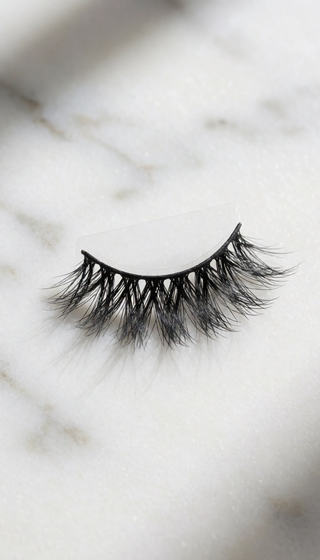
If your primary concern is avoiding the fallout, the irritation, and the stress associated with traditional glue lashes, you need a solution engineered for the lash’s well-being. You need an enhancement that respects the delicate biology beneath it. This is where PHANSTA LASHES steps in. We understand that you want that full, fluttery look, but you refuse to compromise your natural lash health or your confidence in the long run. PHANSTA LASHES are designed to deliver that voluminous, perfect finish without the harsh chemical dependency of conventional adhesives. They provide the illusion of incredible density while using application methods that minimize physical stress, allowing your natural lashes to remain healthy, strong, and untouched by harsh polymers.
Stop worrying about your natural lashes thinning after wearing enhancements. Instead, focus on the transformation—the feeling of waking up with perfectly voluminous, flawless lashes every single morning, knowing that your routine is both beautiful and gentle. By choosing PHANSTA LASHES, you are choosing sophisticated enhancement over chemical compromise.
Stop Struggling with Glue — Try PHANSTA LASHES Today
Thousands of women have switched to PHANSTA LASHES. No glue, no damage, no complicated application. Just beautiful lashes that stay perfect all day.
SHOP PHANSTA LASHES →