STOP DAY-TWO FRIZZ — THE LASH-LIFT STEP THAT DECIDES IF YOURS LASTS 6-8 WEEKS
Understand the chemistry that decides whether your lift holds — or frizzes by day two.
You left the salon with perfectly lifted, fanned-out lashes. Two days later they're frizzy, uneven, and barely curled. You didn't do anything wrong — this is the most common lash-lift complaint, and it almost always traces back to one phase of the service: neutralization, the step that seals the setting lotion and locks in the new lash shape. Remove it too early, leave it too long, or apply it unevenly, and the lift partially reverts — that reversion is the frizz.
The chemistry is simple: a lifting cream opens the disulfide bonds, a setting lotion moves them into the new shape, and the neutralizer closes them in that position. Rush or botch that final step and the bonds drift back — that drift is exactly what you see as frizz by day two. Once you understand that chain, you can judge any lash service — or any at-home alternative — by the same standard.
THE FOUR PHASES OF A LASH LIFT — AND WHERE EACH ONE GOES WRONG
A lash lift temporarily breaks and reforms the disulfide bonds in your natural lashes — the same chemistry as a perm. Four phases:
- Lifting cream — softens the bonds so lashes can be reshaped against a silicone shield.
- Setting lotion — reforms the bonds in the new lifted position.
- Neutralizer — halts the chemical process and locks the shape in.
- Nourishing serum — reconditions the lashes and restores moisture.
The neutralizer is where most lifts succeed or fail. It needs a precise window — typically 8-12 minutes depending on the product and your lash type. Remove it too early and the bonds haven't fully set; leave it too long and lashes over-process, turning brittle and frizzing at the tips.
The silicone shield's curl diameter sets how dramatic the lift is — too curved for short lashes, it creates kinks no neutralizer can fix. Porosity is the variable nobody mentions: high-porosity lashes — from coloring, sun exposure, or previous chemical services — absorb product faster and need shorter processing, while low-porosity lashes need longer. That's why one universal formula can't work for everyone.
YOUR LASH GROWTH CYCLE — WHY IT DICTATES EVERY ENHANCEMENT DECISION
Your natural lashes don't all grow at once. Each lash sits at a different stage of its cycle: the anagen (growth) phase lasts 30-45 days, the catagen (transition) phase lasts 2-3 weeks, and the telogen (resting and shedding) phase lasts about 100 days.
This cycle shapes every enhancement decision. A lift only affects lashes in the growth phase — the rest are already on their way out — which is why a lift looks uneven after a few weeks: new, unlifted lashes grow in while lifted ones shed. Extensions attached to resting-phase lashes fall out faster for the same reason. Re-lifting while lashes are still recovering compounds stress on the same follicles, which is why most technicians recommend waiting the full 6-8 weeks between lifts.
Practical takeaway: after a bad lift or recent extension removal, give your lashes a chemical-free break first — weakened lashes frizz or shed faster regardless of what you apply.
WHY DIY LASH LIFT KITS FAIL — THE FOUR MISTAKES THAT RUIN YOUR LASHES
DIY kits promise salon results at home — but they more often produce frizzy, damaged, or flat lashes. Here's why:
1. WRONG PRODUCT STRENGTH FOR YOUR LASH TYPE
Salon lifting creams come in multiple formulations — fine, normal, and coarse lashes each need a different strength. One universal solution is too strong for fine lashes (causing over-processing and frizz) or too weak for coarse ones (producing no visible lift).
2. NO WAY TO ADJUST TIMING
Porosity varies from person to person — and even from one eye to the other. A professional tests and adjusts processing time; a kit's fixed timer can't. This is the number-one cause of the frizzy-day-two result.
3. UNEVEN APPLICATION
The neutralizer must coat every lash from root to tip. Without a steady hand and proper tools, it's easy to miss sections — leaving some lashes lifted and others frizzy. That patchy result is the hallmark of a DIY attempt.
4. NO PROFESSIONAL ASSESSMENT
Not every lash is a good candidate for a lift. Lashes that are too short, too sparse, or already damaged frizz immediately — a technician spots this in a consultation; a kit can't. And these are chemical formulations applied millimeters from your eye, delivered without training.
THE AFTERCARE MISTAKES THAT UNDO A PERFECTLY GOOD LASH LIFT
Even a professional lift can frizzle within days if aftercare is wrong. The first 24-48 hours are critical — the bonds are still stabilizing, and anything that softens them reverts the lift.
- Water exposure — steam, hot showers, swimming, and heavy sweating can reactivate the setting lotion. Avoid water on your lashes for 24 hours.
- Oil-based products — oil cleansers and some makeup removers break down the bonds faster than anything else. Use only oil-free products near your eyes for 48 hours.
- Sleeping on your face — pressing lashes against a pillow while the bonds set creates kinks and frizz. Sleep on your back for the first night.
- Brushing too early — brushing wet, freshly lifted lashes disrupts the setting process. Wait until they're dry, then brush gently upward.
- Rubbing your eyes — the most common aftercare failure. Even gentle rubbing in the first 24 hours can undo the lift.
Follow these and a professional lift holds for 6-8 weeks; skip them and you're back to frizz within days. After 48 hours, a daily oil-free lash conditioner keeps the bonds flexible — and if a lift does frizz, avoid further chemical processing for at least six weeks.
For two weeks, skip lash curlers and waterproof mascara — curlers kink set bonds, and waterproof formulas need oil-based removers.
LASH LIFT VS OTHER OPTIONS — AN HONEST COMPARISON
If you've had a bad lift — or a DIY disaster — you're probably wondering what else is out there. Here's how the main options stack up:
| Method | Longevity | Maintenance | Risk of Damage |
|---|---|---|---|
| Professional lash lift | 6-8 weeks | Low — but requires strict 48-hr aftercare | Low when done correctly |
| DIY lash lift kit | 0-2 weeks (often frizzy) | High — frequent touch-ups needed | High — over-processing is common |
| Lash extensions | 2-3 weeks (with fills) | High — regular salon visits required | Moderate — adhesive can irritate |
| Magnetic lashes | Single day | Daily application and removal | Low — but magnets can be heavy |
| Glue-free strip lashes | Full day, reusable 30+ wears | Minimal — apply in seconds, remove at night | None — no adhesive, no magnets |
The trade-off: lifts demand perfect aftercare and a skilled technician; extensions require ongoing salon visits and adhesive exposure; magnetic lashes are safe but daily. Glue-free strip lashes sit in a sweet spot — no salon dependency, no adhesive, reusable for 30+ wears.
After recent extension removal, take a chemical-free break first — overlapping processes are the most common cause of the brittle, frizz-prone lashes people blame on the lift.
WHAT TO LOOK FOR IN A LASH SOLUTION THAT ACTUALLY LASTS
The same criteria apply whether you're choosing a salon service or an at-home option — and they map to the three objections people raise most often:
- Glue and irritation — adhesive is the leading cause of eye irritation, allergic reactions, and lash damage. A solution that eliminates it eliminates the biggest risk factor.
- Durability — if a reusable lash dies after two wears, it's just an expensive single-use product. Look for a wear count you can verify, not a marketing promise.
- Honest math per wear — the real calculation is total spend divided by actual wears. A lash that genuinely lasts 30+ wears comes out under $2 per wear; one that lasts three doesn't.
Two more details separate a daily habit from a drawer of false starts: the lash should be invisible on the lash line — a lash you can feel is a lash you'll pick at — and application should take seconds per eye, because anything over a minute gets skipped by Friday. Removal matters too: clean, residue-free removal with your fingertips turns a reusable product into a habit you keep.
Few options check every box — but the category that does replaces salon chemistry and adhesives with engineered design, gripping the lash band directly instead of gluing or clamping it. If your lift frizzed by day two, that checklist is exactly how you'll recognize the right answer.
PHANSTA LASHES — THE GLUE-FREE LASH THAT HOLDS 30+ WEARS AND APPLIES IN SECONDS
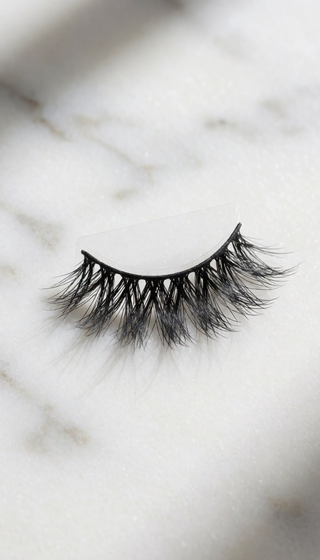
Every point on that checklist describes one product. PHANSTA LASHES replace traditional lash adhesive with skin-safe micro-adhesion technology — no glue, no magnets, no liner. The micro-adhesive band grips your natural lashes directly, holds through showers and sleep, and releases cleanly with your fingertips. It applies in seconds per eye.
They're hypoallergenic and waterproof, so they hold through showers, workouts, and sleep without loosening. With 17 styles ranging from natural to dramatic, there's a match for every eye shape and occasion — and each pair is reusable for 30+ wears, turning a daily salon routine into a seconds-per-eye habit.
- Glue and irritation — eliminated. No adhesive touches your skin or lash line, so there's nothing to react to.
- Durability — 30+ wears per pair. That's a verifiable wear count, not a marketing promise.
- Honest math per wear — under $2. One $59 pair spread across 30+ wears beats repurchasing disposables every few days.

FREQUENTLY ASKED QUESTIONS
Why does my lash lift frizz after only two days?
Day-two frizz almost always means the neutralizer was mistimed or unevenly applied. The disulfide bonds drift back toward their original position when the setting chemistry isn't fully sealed — that reversion shows up as frizz, kinks, or patches of flat lash. Porosity and lash strength affect timing, which is why a one-window-fits-all approach fails.
Can I do a lash lift safely at home with a DIY kit?
DIY kits fail more often than they succeed. They offer one fixed-strength formula and a fixed timer, but lash porosity and thickness vary from person to person — even between your two eyes. Without a professional assessment of your lash condition, over-processing and uneven neutralizer application are common, and those cause the frizzy, brittle results people blame on lifts in general.
How long should I wait between lash lifts?
Most technicians recommend 6-8 weeks between lifts. Your lashes sit at different stages of their growth cycle, and re-lifting while lashes are still recovering compounds stress on the same follicles. If a previous lift frizzed or you've just had extensions removed, take a chemical-free break first — weakened lashes frizz or shed faster no matter what you apply.
What should I avoid in the first 48 hours after a lash lift?
Avoid water, steam, and heavy sweating for 24 hours — moisture can reactivate the setting lotion. Skip oil-based cleansers and makeup removers near your eyes for 48 hours, sleep on your back the first night, and don't rub your eyes or brush wet lashes. After 48 hours, a daily oil-free conditioner keeps the set bonds flexible.
Is there a lash option that needs no glue, no magnets, and no salon visits?
Yes — glue-free strip lashes use a skin-safe micro-adhesive band that grips your natural lashes directly, with no glue, no magnets, and no liner. They apply in seconds per eye, hold through showers and sleep, and release cleanly with your fingertips. A quality pair is reusable for 30+ wears, bringing the per-wear cost under $2.
STILL COMPARING OPTIONS? Explore our guides on finding your perfect lash, magnetic vs strip, and sensitive eyes.
FIND THE PERFECT LASH — Not sure which style suits you? Take the 30-second lash finder quiz →
NOT SURE ABOUT YOUR EYE SHAPE?
Find your eye shape and get personalized lash recommendations:
FIND THE PERFECT LASH FOR EVERY MOMENT
Explore our occasion-specific lash guides:
EXPERIENCE THE DIFFERENCE
Join thousands of women who have made the switch. No glue, no damage, no salon appointments — just beautiful lashes in seconds.
SHOP PHANSTA LASHES — GLUE-FREE, 30+ WEARS →