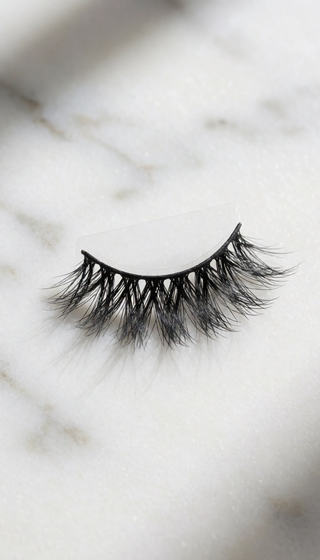
COMPLETE GUIDE TO HYPOALLERGENIC FALSE LASHES

Achieve Flawless, Comfortable Lashes Without Redness or Irritation
If you are concerned about wearing false lashes due to sensitive eyes, the key to comfort lies not in the lash itself, but in understanding the specific chemical and physical components that trigger irritation. By identifying these potential causes, you can select alternatives that protect your skin while enhancing your look.
Understanding the Triggers Behind Eye Discomfort
Many individuals mistakenly believe the lash hair is the primary source of irritation. However, in the vast majority of cases, the discomfort stems from the supporting materials used in the application process. Identifying these specific triggers is the essential first step toward achieving a truly comfortable wear experience.
- Adhesive Chemistry: Cyanoacrylate, a commonly utilized ingredient in lash adhesives, is recognized as a known allergen. This specific chemical compound is the primary trigger responsible for redness, itching, and discomfort in individuals with sensitive eyes.
- Band Structure: The physical construction and rigidity of the lash band are critical factors. Overly rough or rigid plastic bands can cause micro-scratches on the delicate skin of the eyelid over extended periods of wear.
- Dye Composition: Certain black or colored dyes incorporated into lash fibers are derived from petroleum-based chemicals. These components can cause localized irritation, particularly when they come into direct contact with the sensitive waterline.
Therefore, when evaluating any product labeled 'hypoallergenic,' it is necessary to look beyond the marketing claim and scrutinize the specific material science employed to minimize common biological triggers.
The Science of Lash Materials: What They Feel Like
The material chosen for the lash fibers dictates the entire wear experience—influencing comfort, weight distribution, and final aesthetic. Selecting the correct material is paramount. Below is a breakdown of common lash materials and their characteristics:
| Material | Feel | Best For | Common Issue |
|---|---|---|---|
| Synthetic | Stiff, lightweight | Dramatic looks | Can look shiny or plastic |
| Silk | Soft, medium weight | Everyday wear | Can be too shiny for some |
| Mink | Very light, silky | Natural glam | Expensive, not vegan |
| PBT (synthetic silk) | Featherlight, breathable | Sensitive eyes | Less common, but growing |
When prioritizing skin health, PBT fibers or clean synthetic options are often recommended due to their composition. Furthermore, the band material itself must be carefully scrutinized; while silicone offers flexibility, it can potentially harbor bacteria, making material selection critical for long-term skin health.
Actionable Steps for Pre-Wear Safety Testing
Before you commit to a full application, implementing a short, controlled test is a highly effective way to determine if a product is compatible with your unique skin. This simple protocol should take less than five minutes.
- Wrist Patch Test: Apply a small piece of the lash band to the skin on your wrist. Wait a full five minutes. Check meticulously for any signs of redness, itching, or numbness. If any of these reactions occur, discontinue use immediately.
- Eyelid Contact Test: If the wrist test yields no adverse reaction, gently place the lash band on your eyelid for only thirty seconds. Observe how your skin feels. A high-quality, comfortable lash should feel virtually undetectable after this brief period of contact.
This simple, proactive protocol allows you to accurately assess potential skin reactions without the commitment of a full, long-term application.
Key Specifications for Sensitive Eye Comfort
When evaluating any lash product, shift your focus from marketing claims to these specific, technical attributes. These features directly correlate with reduced physical stress on the eyelid and improved overall wearability.
- Band Thickness: Always look for a thin, flexible band, ideally measuring under 0.5mm, to minimize any physical pressure exerted upon the eyelid structure.
- Adhesive Profile: The adhesive must be certified latex-free and possess a low-odor profile to effectively prevent chemical reactions on the skin.
- Coloration: Prioritize lashes that are solution-dyed or completely pigment-free, actively avoiding harsh, petroleum-based dyes that can cause issues.
- Weight: A featherlight lash, ideally weighing under 0.02 oz, significantly reduces the strain placed upon the eyelid throughout the entire day of wear.
What to Look For in a Solution: The Buying Criteria
To ensure that any solution you choose meets these rigorous standards for comfort and safety, you must verify three core elements: the material composition, the adhesion technology, and the long-term wearability. The ideal solution must combine a featherlight, skin-friendly fiber with a non-irritating, glue-free micro-adhesion system, all while providing consistent, durable wear without compromising skin health.
FREQUENTLY ASKED QUESTIONS
Can you wear false lashes if you have allergies?
Yes, provided you select products that actively avoid known allergens. The crucial step is to choose adhesives that are latex-free and fibers that do not irritate your skin. Always perform a patch test first to ensure compatibility with your unique sensitivity.
PHANSTA LASHES: The Solution Engineered for Sensitive Eyes
PHANSTA LASHES was specifically engineered by deeply understanding these material science requirements. We utilize featherlight PBT fibers, which are inherently gentle on the skin, paired with a flexible, low-profile band design. Our proprietary micro-adhesion technology ensures a secure hold without the use of harsh glues or magnets, making them suitable for the most sensitive skin. This superior combination allows for a beautiful, natural look that lasts 30+ wears while remaining hypoallergenic.
What does hypoallergenic actually mean on false lashes?
It means the product has been formulated to minimize the risk of allergic reactions by excluding common irritants like harsh glues or petroleum-based dyes. It is fundamentally a measure of material safety, not an absolute guarantee against all possible reactions.
How long do sensitive-eye lashes last?
With proper care and consistent wear, a quality lash from PHANSTA LASHES can provide 30+ wears. This impressive longevity is achieved through the inherent durability of the PBT fiber and the gentle nature of the micro-adhesion system.
Are PHANSTA LASHES magnetic?
No, PHANSTA LASHES utilize a unique micro-adhesion technology. This system provides a secure, non-invasive bond to the lash line without the need for magnets, traditional adhesives, or any irritating liner.
What is the best way to test a new lash set?
The best practice involves a wrist patch test for five minutes, followed by a thirty-second eyelid contact test. This allows you to accurately gauge skin reaction before committing to a full, long-term application.
NOT SURE ABOUT YOUR EYE SHAPE?
Find your eye shape and get personalized lash recommendations:
FIND THE PERFECT LASH FOR EVERY MOMENT
Explore our occasion-specific lash guides:
STILL COMPARING OPTIONS?
See how PHANSTA compares to traditional lashes:
Experience the Difference of PHANSTA LASHES
Quick to apply, gentle on eyes, beautiful all day. Reusable 30+ wears per pair.
SHOP PHANSTA LASHES — GLUE-FREE, 30+ WEARS →