REVERSE LASH LOSS: How to Regrow and Protect Your Natural Lashes After Extensions
Stop worrying about permanent damage and start understanding the science of lash cycles to restore your natural fullness.
NOT SURE ABOUT YOUR EYE SHAPE?
Take our 60-second quiz to find your perfect lash match — no glue, no commitment.
TAKE THE QUIZ →
UNDERSTANDING THE NATURAL LASH CYCLE
Every natural lash operates on its own biological clock. This cycle dictates the lifespan of your lashes, which typically lasts around 90 days. At any given moment, the vast majority of your lashes are in the active "growing" phase, while a smaller percentage are in the resting or shedding phase. This natural turnover is essential for healthy lash maintenance.
When external attachments, like extensions, are applied, they are secured to the hair shaft. While the hair follicle—the root structure deep within the eyelid—remains intact, the added weight and the adhesive itself can disrupt the natural shedding schedule. This results in what is known as premature shedding, where lashes fall out significantly earlier than their natural 90-day cycle.
THE SCIENCE OF LASH GROWTH AND DENSITY
The perception that lashes are "gone" is often a result of synchronized shedding. Because lashes grow in staggered cycles, losing a few at a time is normal and invisible to the eye. However, when extensions cause multiple lashes to shed simultaneously, it creates a noticeable gap or patch. The regrowth process, while inevitable, happens at a measured pace. A new lash grows at a rate of approximately 0.15mm per day, meaning it takes several weeks for a new lash to achieve its full, mature length.
It is crucial to understand that the follicle itself is not permanently destroyed by the attachment process, provided no forceful pulling or severe allergic reaction occurs. The follicle is the engine of growth; it simply needs time and the right environment to restart its cycle efficiently.
IDENTIFYING TRUE GROWTH BARRIERS
If you observe no improvement after the initial shedding phase, the issue is rarely the initial application. Instead, it is usually related to external factors affecting the follicle's health. Three primary areas often impede the recovery process:
- Mechanical Irritation: Habitual rubbing of the eyes, especially when extensions are present, introduces constant tugging force. This repeated mechanical stress can eventually compromise the follicle's integrity over time.
- Follicular Inflammation: In rare cases, the adhesive can trap bacteria, leading to blepharitis or inflammation. This inflammatory response actively halts the natural growth phase, requiring professional medical attention.
- Lack of Growth Support: The lash cycle benefits from targeted nourishment. Utilizing specific, gentle serums that support the growth phase can significantly accelerate the timeline for visible regrowth.
THE HONEST RECOVERY TIMELINE
Recovery is a process, not an overnight fix. Here is a realistic expectation of what the regrowth phase looks like:
- Weeks 1-2: Initial shedding phase. This period of visible loss is the most alarming, but it is part of the natural cycle resetting.
- Weeks 3-4: Emergence of micro-lashes. You will begin to see tiny, faint hairs sprouting from the lash line, signaling the start of new growth.
- Weeks 6-8: Mid-growth phase. The new lashes are visible but will appear short and stubby as they reach their mid-point in development.
- Weeks 10-12: Full cycle completion. The lashes have reached their mature length and density, returning to your baseline appearance.
Incorporating growth-support treatments can help compress this timeline, but consistency is key.
ACTION PLAN FOR PATCHY LASHES RIGHT NOW
If you are currently in the recovery phase and feeling self-conscious, these steps focus purely on supporting the follicle health:
- Implement a Mandatory Break: Cease all use of extensions or falsies for a minimum of four weeks to allow the lashes to rest and focus on natural growth.
- Nightly Conditioning: Apply a lash-conditioning serum containing peptides or biotin directly to the lash line every evening to stimulate the growth phase.
- Gentle Stimulation: Daily brushing with a clean, soft spoolie helps stimulate blood circulation to the lash follicles.
- Internal Support: Ensure your diet includes protein and biotin-rich sources like salmon and eggs, as these are the building blocks for healthy keratin.
PREVENTATIVE GUIDELINES FOR FUTURE LASH CARE
To minimize the risk of premature shedding in the future, whether you choose extensions or strip lashes, adhering to these protocols is essential:
- Adhere to Service Timelines: Never allow extensions to remain on for longer than the recommended three-week period, as prolonged weight increases stress on the natural lash.
- Select Appropriate Weight: Opt for lighter volume or natural styles rather than heavy, dense applications to reduce the physical load on your lashes.
- Proper Removal Technique: If using strip lashes, always remove them gently using a dedicated makeup remover that dissolves the adhesive; never pull them off.
- Mandatory Recovery Breaks: Incorporate a one-week break between any sets of lash enhancements to allow the follicles a necessary recovery period.
FREQUENTLY ASKED QUESTIONS
Will my lashes grow back if I pulled them out myself?
Yes, the follicle itself is usually resilient. Unless you applied excessive force that physically tore the root structure, the follicle will initiate a new growth cycle. This process typically takes 6 to 8 weeks to show noticeable results.
Is it normal for lashes to fall out after extensions?
Losing 1-5 natural lashes daily is normal. When extensions are added, the increased weight can cause a temporary spike in shedding (up to 10 per day). The concern arises when you lose significantly more than this temporary spike.
Can I wear mascara while my lashes grow back?
You can, but choose gentle, water-based formulas. Always ensure thorough removal with a soft cleanser. Avoid heavy, waterproof mascaras during active recovery as they require more aggressive rubbing.
How long until I see visible improvement?
Initial signs of regrowth, such as baby lashes, usually appear between weeks 3 and 4. Full, noticeable length and density typically return within 10 to 12 weeks, depending on your natural cycle.
What is the best way to support lash health internally?
Focus on a diet rich in protein and biotin. These nutrients are the fundamental building blocks for strong keratin. Supplementation or targeted nutrition can support the follicle's ability to produce healthy, strong lashes.
THE SMART ALTERNATIVE: ACHIEVE DENSITY WITHOUT THE STRESS
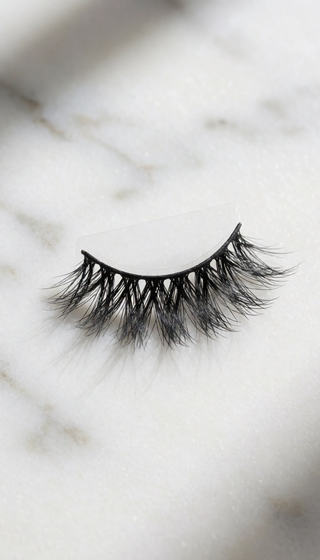
If you desire the dramatic, full-bodied look of extensions but are concerned about the long-term health of your natural lashes, the solution lies in choosing a method that allows your lashes to breathe. PHANSTA LASHES offers a collection of high-quality lashes designed to mimic the volume of extensions while utilizing a gentle, micro-adhesion technology that applies no stress to the natural lash.
Our lashes are lightweight, hypoallergenic, and designed for easy application and removal. They provide the desired visual impact without the risk of premature shedding or follicle damage associated with traditional extensions. You get the glamour, and your natural lashes get the necessary recovery time to thrive.
LASH STYLE GUIDE BY EYE SHAPE
Find the best silhouette for your unique eye structure:
FIND THE PERFECT LASH FOR EVERY MOMENT
Explore our occasion-specific lash guides:
See how PHANSTA compares to traditional lashes:STILL COMPARING OPTIONS?
Quick to apply, gentle on eyes, beautiful all day. Reusable 30+ wears per pair.
SHOP PHANSTA LASHES — GLUE-FREE, 30+ WEARS →