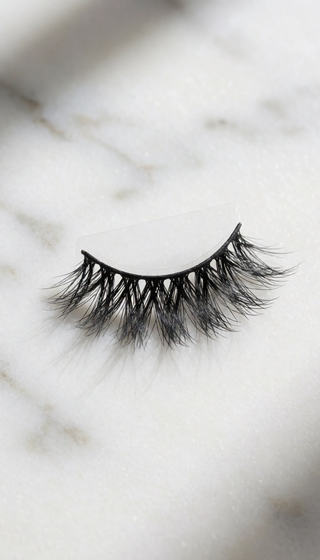
HOW TO USE FALSE LASHES WHEN YOU HAVE ALLERGIES
Achieve Flawless Lash Looks Without Triggering Eye Irritation or Allergies
Discover the science behind safe lash wear so you can maintain your style without the discomfort.

UNDERSTANDING THE CAUSE: WHAT TRIGGERS LASH REACTIONS
If you experience itching, watering, or swelling after wearing false lashes, the issue is rarely the hair itself. Most reactions stem from chemical interactions with the adhesive, the dyes used in the band, or the materials in the lash structure. Identifying your specific trigger is the first step toward safe application.
The Chemical Culprits in Lash Products
Chemical sensitivities are common when dealing with cosmetic adhesives. Here is a breakdown of the most frequent irritants:
- Adhesives (The Glue): Many traditional lash glues rely on cyanoacrylate, a potent adhesive chemical. When this chemical cures, it releases fumes that can irritate the delicate tissues around the eye, leading to watering.
- Pigments and Dyes: Synthetic dyes, particularly those used to achieve deep black colors in lash bands or fibers, can be a source of contact dermatitis for some individuals.
- Band Materials: The physical structure of the lash band matters. Thick, rigid plastic bands can cause friction or pressure against the lash line, leading to irritation over time.
ACTIONABLE GUIDANCE: HOW TO MITIGATE RISK
To wear lashes safely, you must control the application process and select materials known to be gentler. These steps focus purely on reducing chemical exposure:
- The Patch Test Protocol: Before applying anything near your eye, perform a patch test. Apply a tiny amount of the adhesive to a discreet area, such as the skin behind your ear or on your inner wrist, and wait a full 24 hours to monitor for any adverse reactions.
- Controlling Fumes: Do not rush the adhesive application. Allow the glue to sit and become tacky for a specified period (typically 30–60 seconds). This waiting time allows the volatile fumes to dissipate before they come into contact with your skin.
- Application Technique: Apply adhesive thinly and precisely only to the base of the lash. Avoid saturating the lash fibers themselves, as this increases the risk of chemical transfer.
- Barrier Protection: Consider using a specialized lash primer. This acts as a physical buffer between the adhesive and your eyelid skin, significantly reducing direct contact irritation.
- Hygiene is Non-Negotiable: Never reuse a pair of lashes that has been worn, even if you think they are clean. Residue and bacteria accumulate quickly, which can trigger allergic responses.
WHAT TO LOOK FOR IN A SENSITIVE-SKIN LASH SOLUTION
When selecting a product, your focus should be on the composition of the materials, not just the aesthetic. You need to look for specific indicators of gentleness in the adhesive and the lash structure itself.
Key Criteria for Allergy-Conscious Lash Selection
The ideal solution addresses the three main triggers identified earlier. Here is a checklist for your search:
- Adhesive Profile: Prioritize glues explicitly labeled as latex-free and formulated to have low or zero formaldehyde content.
- Material Composition: Look for lashes utilizing hypoallergenic materials and dyes derived from vegetable sources or iron oxides, avoiding harsh synthetic pigments.
- Band Design: Opt for flexible bands made of materials like cotton or flexible polymers that conform to the natural curve of the eye rather than rigid plastic.
THE these lashes DIFFERENCE: STYLE WITHOUT COMPROMISE
If you have been hesitant to wear lashes due to past irritation, these lashes were developed with sensitive skin in mind. We engineer our lashes using clean-dye formulas and feature flexible, cotton-like bands designed to minimize friction against the lash line. Our commitment is to deliver a beautiful, lightweight look that supports comfort through 30+ wears, allowing you to enjoy your look without the worry of chemical reactions.
FREQUENTLY ASKED QUESTIONS
WHAT GLUE IS SAFE FOR SENSITIVE EYES?
Look for adhesives explicitly labeled as latex-free and formulated to have low or zero formaldehyde content. These types of glues are designed to minimize the release of volatile fumes during the setting process, offering a gentler bond.
ARE MAGNETIC LASHES BETTER FOR ALLERGIES?
While some users tolerate them, magnetic lashes still contain small metal components that can potentially cause irritation or pinching. For the most reliable comfort, a lash utilizing a gentle, flexible band and clean adhesive is often the superior choice.
CAN I WEAR STRIP LASHES IF I HAVE WATERY EYES?
Yes, you can, provided you select a strip made from hypoallergenic materials and strictly adhere to the dry-tacky waiting method when applying the adhesive. This controls fume exposure and reduces the chance of irritation.
HOW OFTEN SHOULD I REPLACE MY LASHES?
To prevent buildup of residue and bacteria, which can trigger reactions, it is best practice to replace your lash set after a set number of wears, or as soon as you notice any change in comfort or appearance.
WHAT IF MY ALLERGY IS TO THE LASH MATERIAL ITSELF?
If you suspect the lash fibers themselves are the issue, look for options made from ultra-soft, hypoallergenic fibers and ensure the dye used is derived from natural, non-irritating sources. Always start with the patch test.
📚 Browse our complete library of lash guides →
Monolid Eyes Close-Set Eyes Deep-Set Eyes Prominent EyesSTILL COMPARING OPTIONS?
See how PHANSTA compares to traditional lashes:
FIND THE PERFECT LASH FOR EVERY MOMENT
Explore our occasion-specific lash guides: