WEAR FALSE LASHES WITHOUT THE DAMAGE: THE TRUTH ABOUT LASH SAFETY, REMOVAL, AND OVERNIGHT WEAR
THE MYTH-BY-MYTH GUIDE TO KEEPING YOUR NATURAL LASHES HEALTHY
If you've ever been warned that false lashes will destroy your natural lashes — or that wearing them overnight is automatically dangerous — you're in good company. Those fears sound authoritative, but most of them are rooted in outdated application habits rather than fact. Here's the reassuring truth: the overwhelming majority of lash damage traces back to two preventable mistakes — rough removal and harsh, irritating adhesives — not to the lashes themselves.
Once you understand how natural lashes grow, how a flexible bond actually works, and how to remove lashes without trauma, you can enjoy dramatic eyes and healthy natural lashes at the same time. Let's break down the science, the safety rules, and the routine that makes it all possible.

YOUR NATURAL LASH CYCLE, EXPLAINED
Every natural lash lives on a repeating cycle of growth, rest, and shedding. Each lash grows to a genetically set length, holds steady, then releases and falls out on its own — a fresh one is already growing in to replace it. Finding a few shed lashes on your pillow or in the sink is completely normal; it is the cycle doing its job, not a sign of damage.
What matters for lash wear is how that cycle interacts with anything attached to the lash line. A bond that grips too rigidly can tug a lash out mid-cycle, while a flexible bond moves with the lash and releases cleanly when the lash is ready to shed. The goal of any safe product is to work with your biology, not against it. Stress concentrated at one point — like a stiff band glued over multiple natural lashes — is what leads to breakage and thinning over time.
DEBUNKING THE LASH FEARS
The most common fears sound convincing, so let's test each one against what actually happens at the lash line.
MYTH 1: FALSE LASHES CAUSE PERMANENT LASH LOSS
The truth: well-applied lashes don't cause lasting loss. When a strip hugs the base of the natural lash line and is removed gently, the natural lash is left untouched. Breakage happens when lashes are yanked out before they're ready, or when a stiff adhesive glues several natural lashes together so they pull on each other. Improper removal — not the product itself — is almost always the real culprit.
MYTH 2: YOU CAN NEVER WEAR THEM OVERNIGHT
The truth: overnight wear depends on formulation, not a universal rule. Some bonds are engineered to be water-resistant and flexible enough to survive sleep, while stiff adhesives poke, itch, and lift at the edges. If you want the option to sleep in your lashes, choose a product designed for skin comfort and movement, and pay attention to how the bond feels by hour eight.
MYTH 3: ONLY PROFESSIONAL APPLICATION IS SAFE
The truth: safety comes from technique, not from where the lashes are applied. A salon set removed with rough tweezers can do more damage than a well-made strip removed with an oil-based cleanser at home. What actually determines safety is the gentleness of the bond, the precision of application at the lash line, and the care taken during removal — habits you can learn and control regardless of where your lashes come from.
WHAT MAKES OVERNIGHT WEAR SAFE
Three properties separate sleep-friendly lashes from sleep-risky ones. First, flexibility: the band and bond must move with your eyelid instead of resisting it, because every toss and turn pulls on a rigid edge. Second, skin comfort: a bond that sits flat against the delicate eye area won't trap heat, pressure, or irritation through the night.
Third, water resistance: sweat, humidity, and nightly skincare can dissolve a weak adhesive, and a lifting edge invites rubbing and picking. A bond that holds through moisture — and releases cleanly with the right remover in the morning — is what makes extended wear genuinely safe rather than a gamble on your natural lashes.
THE HEALTHY LASH ROUTINE: A STEP-BY-STEP CARE PLAN
Treating lash wear as a full-cycle care plan — not just an application morning — is the difference between lashes that stay healthy and lashes that don't. These four habits protect your natural lashes through every phase of wear.
- Removal protocol: Never force lashes out. Apply an oil-based remover or specialized lash cleanser, let it sit for a minute to dissolve the bond, then slide the band away gently. Avoid hot water on the lash line immediately afterward — heat can weaken natural lashes and make them prone to breakage.
- Post-removal care: After removal, cleanse the lash line to clear any adhesive residue, then apply a gentle, nourishing serum. Consistent aftercare supports your natural lashes through their next growth cycle and pays off in visible fullness later.
- Daily cleansing: While you're wearing lashes, cleanse the lash line gently once a day to clear away oils and makeup residue, keeping the bond secure and the area free of buildup.
- Lash cycling and rest: Even with lashes on, your natural lashes keep growing and shedding. Respect the recommended wear window for your chosen style, then schedule rest periods so natural lashes recover to a healthy length — giving you a stronger base every time you reapply.
WHAT TO LOOK FOR IN A SAFE LASH SOLUTION
When you're vetting a new lash product, look for transparency before anything else. Does the brand explain exactly how to remove it? Are known irritants flagged or absent from the formula? Does the instructions pair the product with a specific removal method — a sign the bond was engineered to release cleanly rather than cling forever?
The safest solutions are gentle on both skin and lashes: a flexible attachment instead of a harsh, permanent grip, clear ingredient communication, and removal instructions built around dissolving the bond rather than fighting it. If you have sensitive eyes or a history of reactions, patch test any new lash product behind the ear or on the inner arm for 24 hours before wearing it. Those criteria solve nearly every fear on this page at once.
COMPARISON: LASH BOND TYPES
| Bond Type | Flexibility | Ideal For |
|---|---|---|
| Rigid Epoxy Bonds | Low | Extreme Durability |
| Flexible, Wear-Focused Bonds | High | Daily Wear, Comfort |
THE GLUE-FREE ANSWER TO EVERY LASH FEAR
They're hypoallergenic, waterproof, and available in 17 styles — from barely-there everyday wisps to full-glam volume — so there's a match for every eye shape and occasion. It's the reason glue-sensitive wearers stick with them long-term instead of cycling through disposable strips.
- Glue & irritation (the most common objection): traditional lash adhesive is the top culprit behind itchy, red, angry eyes. A glue-free micro-adhesion band skips the adhesive entirely — hypoallergenic and kind to sensitive eyes.
- Durability: each pair is designed for 30+ wears when cared for, so you aren't peeling a crumpled disposable strip off every morning and reapplying from square one.
- Cost: at $59 per pair and under $2 per wear, the math beats both daily disposable strips and recurring salon extension appointments.
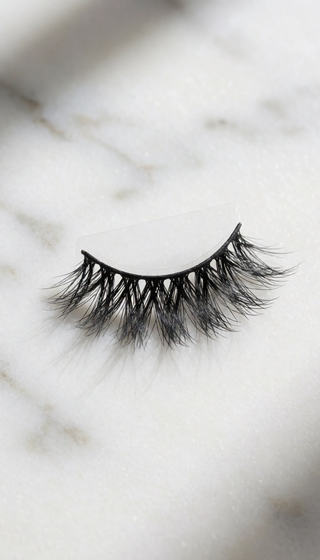
PHANSTA LASHES was built to solve every problem on this page at once. Instead of traditional lash glue, the strips use a micro-adhesion technology that bonds gently to the skin at the lash line — no latex, no harsh adhesive residue, no magnets, and no liner step. The band flexes with your eyelid, sits flat enough for comfortable extended wear including sleep, and releases cleanly in seconds with an oil-based remover, exactly the removal protocol your natural lashes need.
FREQUENTLY ASKED QUESTIONS
CAN I SLEEP IN THEM WITHOUT DAMAGING MY NATURAL LASHES?
Yes — a flexible, water-resistant bond is designed to stay comfortable overnight, and that includes PHANSTA LASHES. In the morning, apply an oil-based remover, let it dissolve the micro-adhesion, then slide the band away gently. If your lash line ever feels tired or sore, skip a day of wear and let your natural lashes rest and recover.
HOW DO I REMOVE LASHES WITHOUT PULLING OUT MY NATURAL ONES?
Never peel or yank a band off dry. Saturate a cotton pad with an oil-based remover or specialized lash cleanser, hold it against the lash line for about a minute, then slide the band outward. Any resistance means it needs more time — patience is what protects your natural lashes from breakage.
ARE GLUE-FREE LASHES WATERPROOF?
It depends on the bond's formulation — and PHANSTA LASHES are waterproof, so sweat, humidity, and tears won't dissolve the micro-adhesion through the day. Even so, always release them with an oil-based remover rather than rubbing or picking at the edges after they've been exposed to moisture.
DO FALSE LASHES RUIN NATURAL LASH GROWTH?
No. Lashes shed and regrow on their own cycle, and finding a few loose lashes is normal biology, not damage. Problems come from harsh adhesives and rough removal, not from wearing lashes themselves. A gentle bond, precise application at the lash line, and patient removal keep your natural cycle completely undisturbed.
HOW MANY TIMES CAN ONE PAIR BE WORN?
With gentle removal, a clean band, and proper storage, one pair of PHANSTA LASHES is designed for 30+ wears — which works out to under $2 per wear at the $59 pair price. That kind of durability is exactly what makes a reusable glue-free routine far kinder to both your lashes and your budget than disposables.
READY TO SKIP THE GLUE AND KEEP THE GLAM?
Applies in seconds per eye — no glue, no magnets, no liner.
NOT SURE ABOUT YOUR EYE SHAPE?
Find your eye shape and get personalized lash recommendations:
FIND THE PERFECT LASH FOR EVERY MOMENT
Explore our occasion-specific lash guides:
EXPERIENCE THE DIFFERENCE
Join thousands of women who have made the switch. No glue, no damage, no salon appointments — just beautiful lashes in seconds.
SHOP PHANSTA LASHES — GLUE-FREE, 30+ WEARS →