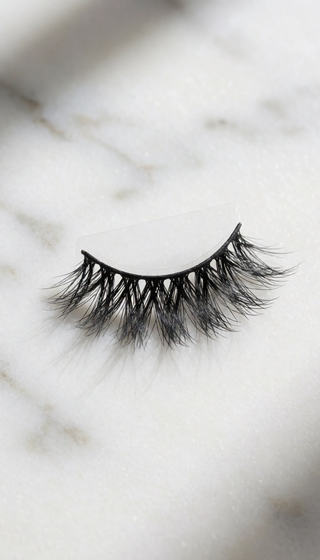
DO FALSE EYELASHES RUIN NATURAL LASHES? EVERYDAY WEAR MYTHS
Achieve Flawless, Long-Lasting Lash Looks Without Compromising Your Natural Lash Health
If you are concerned that wearing false lashes might be thinning your natural lashes, here is the reassuring truth: the lashes themselves are rarely the culprit. Damage almost always traces back to three controllable factors — the chemistry of the adhesive, the mechanics of removal, and the consistency of your aftercare routine. Master those three variables and you can enjoy enhanced volume and length every day while keeping your natural lash line healthy and intact.
THE SCIENCE OF LASH GROWTH AND DAMAGE PREVENTION
Every natural lash operates on an independent biological cycle, typically divided into three distinct phases: the active growth phase (which can last 30–45 days), a brief transition period, and the resting phase, which may extend up to 100 days before the natural lash sheds. Because each follicle follows its own internal clock, it is entirely normal to lose between one and five lashes each day. The critical factor for maintaining a healthy lash line is ensuring the follicle remains unstressed and nourished throughout this process.
WHAT ACTUALLY STRESSES THE LASH FOLLICLE
Damage to the lash cycle typically occurs when external factors place undue stress on the follicle or the lash shaft itself. These stressors are identifiable and often preventable:
- Adhesive Chemistry: Traditional lash glues often utilize cyanoacrylate, a potent bonding agent. This chemical can cause localized irritation, inflammation around the follicle, and leave behind stubborn residue that can impede natural growth.
- Mechanical Trauma: The most common cause of sudden lash loss is the physical act of removal. Peeling a strip that is still bonded to the natural lash pulls out the entire natural hair caught underneath the adhesive band.
- Friction and Pressure: Prolonged contact, such as sleeping in false lashes, creates friction. This constant pressure grinds the band against the delicate eyelid skin and the natural lash shafts, leading to weakening at the root.
- Follicular Blockage: Dried adhesive residue left on the skin or lash line can physically block the follicle, trapping debris and inviting chronic irritation over time, which disrupts the natural shedding process.
MYTHS VS. THE BIOLOGY OF DAILY LASH WEAR
Many misconceptions surround daily wear. Here is a factual breakdown of common myths versus established biological facts:
| Myth | Fact |
|---|---|
| False lashes suffocate your natural lashes. | Follicles receive oxygen from the bloodstream, not the surrounding air. A clean, lightweight band does not block essential airflow. |
| You need month-long "lash vacations." | Rest periods do not actively restore follicle health. Gentle, consistent daily handling is more beneficial than sporadic abstinence. |
| Extensions are always safer than strips. | Both formats can cause harm if the adhesive is improperly managed. The removal technique is far more critical than the application format. |
| Lashes that fall out at removal are lost forever. | A lash that sheds during removal is often already in its natural resting phase. Its replacement is typically already developing beneath the surface. |
| Daily wearing always thins your lashes. | Damage is directly correlated with the use of harsh glue, aggressive pulling, and poor post-wear cleanup—not with the frequency of wear itself. |
THE ESSENTIAL DAILY CARE PROTOCOL FOR LASH INTEGRITY
To ensure your natural lashes remain robust while you enjoy enhanced volume, a consistent, mindful routine is key. This process focuses on minimizing chemical and mechanical stress:
- Preparation: Begin with a thorough cleanse using an oil-free cleanser to remove all surface oils. The lash line must be completely dry before any adhesive is applied to ensure a stable bond.
- Adhesion Strategy: Opt for the least amount of adhesive necessary. Using a micro-thin layer or a glue-free band allows for a secure grip without the bulk that can lever against the natural lash.
- Curing Time: Allow the bond 30 to 60 seconds to become tacky before placement. Rushing this step is a primary cause of slippage and subsequent pulling.
- Placement Technique: Use tweezers to place the band directly against the natural lash line. Press gently to set the bond; never drag or stretch the band across the lashes, as this creates leverage and pulls the natural hairs.
- Nightly Dissolution: At the end of the day, always break the bond using an oil-based cleanser first. This dissolves the adhesive polymers rather than fighting them, preventing the need to peel a dry strip.
- Post-Wear Maintenance: After removal, use an alcohol-free wipe to clean the band thoroughly. This removes residual oils and adhesive buildup, ensuring the next application starts from a pristine surface.
- Storage: Store the band flat and dry in its original packaging. This maintains the structural integrity and optimal grip for future wears.
Consistency in this routine is more impactful than occasional perfection. Furthermore, inspect the band before every use; if the curve is flattened or the edge shows wear, the grip will be compromised, leading to unnecessary pressure on your lashes.
Pro tip: Even with a perfect routine, consider taking one or two recovery nights per week. Allowing your natural lashes a break from handling supports overall follicle health.
MASTERING REMOVAL: PREVENT THE MOST COMMON LASH LOSS
The vast majority of natural lash loss occurs during the removal process, not during wear. A dry, fully cured strip bonds strongly enough that any attempt to peel it off will inevitably pull out the natural lashes underneath. The solution is chemical dissolution, not mechanical force.
- Soak, Do Not Pull: Apply a cotton pad soaked in an oil-based cleanser directly to the lash line and hold it for approximately 60 seconds. This allows the oil to dissolve the adhesive polymers.
- Gentle Glide: Once the bond softens, slide the band gently outward, away from the eye. If resistance persists, increase the soaking time; never force the removal.
- Final Cleanse: Softly brush your natural lashes afterward to clear any loosened shed hairs or residual adhesive.
- Handling Precautions: Never attempt to cut a strip off your eye with scissors, and avoid removing lashes with hands that are wet or covered in soap, as this increases the risk of slippage and tearing.
Beyond the removal, maintaining a clean lash line overnight—free from makeup and adhesive residue—allows the follicles to breathe and supports a healthy growth environment. Keeping the skin around the eyes hydrated further aids in supporting robust growth cycles.
DIFFERENTIATING NATURAL SHEDDING FROM LASH DAMAGE
It is crucial to distinguish between the normal, healthy shedding process and actual damage to the follicle. Here is how to accurately assess your lash health:
- Quantify Loss: Losing one to five lashes daily is within the normal range of the natural cycle. Finding a small number in your sink or on your pillow is not cause for alarm.
- Examine the Root: A naturally shed lash will typically have a small, translucent bulb at its base, indicating it completed its cycle. A lash that snaps mid-shaft is a sign of breakage, not natural shedding.
- Look for Gaps: Persistent bare patches along the lash line, or a noticeable decrease in the overall length of your natural lashes over several weeks, suggests underlying stress. This is the time to pause wear and reassess your entire routine.
- Long-Term Observation: Because lash cycles span 30 to 100 days, you must evaluate lash health over a full month, not based on a single week. Documenting your lash line with consistent photography in the same lighting is the best way to spot gradual changes.
WHAT CRITERIA TO DEMAND IN ANY LASH SOLUTION
If your goal is daily enhancement without the risk of damage, any lash product you consider must meet these five non-negotiable standards:
- Hypoallergenic Adhesion: The formula must be free from cyanoacrylate or any known irritants that can affect the delicate skin near the eye.
- Featherlight Band Construction: A slim, flexible band distributes pressure evenly and avoids the leverage effect that stresses the natural lash root.
- Reusable by Design: A quality pair should maintain its grip and shape across multiple wears, reducing the frequency of application and removal cycles that cause cumulative stress.
- Waterproof Wear: Humidity, sweat, and tears should never compromise the bond, because a slipping band invites tugging and mid-day adjustments that traumatize the lash line.
- Effortless Removal: The band should release with a gentle glide—no soaking, no peeling, no residue left behind on the follicle.
When a lash checks every box on this list, daily wear stops being a gamble and becomes a sustainable beauty habit. The question is no longer whether you can wear lashes every day—it is whether the pair you choose deserves that kind of trust.
PHANSTA LASHES: DAILY WEAR ENGINEERED AROUND LASH HEALTH
PHANSTA LASHES were designed to meet every criterion above—and then exceed it. Instead of traditional lash glue, PHANSTA uses a proprietary micro-adhesion technology that bonds the band directly to your natural lash line without cyanoacrylate, without magnets, and without a sticky liner. The result is a secure, comfortable hold that releases with a gentle glide, protecting your follicles through every wear.
Each pair is hypoallergenic, waterproof, and built to last. With 17 styles ranging from natural to dramatic, there is a look for every occasion—and every pair delivers 30+ wears, bringing the cost to under $2 per wear. That is daily lash enhancement without the damage, the mess, or the guesswork.

FREQUENTLY ASKED QUESTIONS
Can I wear false lashes every day without damaging my natural lashes?
Yes—provided the lashes are lightweight, applied with minimal or no harsh adhesive, and removed gently. Daily wear itself does not cause thinning; aggressive removal and irritating glue chemistry do. A glue-free band with a secure micro-adhesion hold eliminates the most common damage vectors entirely.
How do I know if my lashes are damaged or just shedding naturally?
Natural shedding means losing one to five lashes per day, each with a small translucent bulb at the root. Damage appears as bare patches, mid-shaft breakage, or a visible decrease in lash length over several weeks. Track your lash line with monthly photos in consistent lighting to spot real changes.
What is the safest way to remove false lashes?
Never peel a dry strip. Hold an oil-based cleanser on the lash line for about 60 seconds to dissolve the bond, then slide the band gently outward. If it resists, soak longer—never force it. A glue-free micro-adhesion band releases with minimal soaking and zero pulling.
Are glue-free lashes as secure as traditional glued lashes?
Modern micro-adhesion technology creates a bond that is waterproof and holds firmly through sweat, humidity, and tears—without cyanoacrylate. The key difference is that the bond releases on contact with light pressure or oil, so removal never requires the peeling motion that pulls out natural lashes.
How many times can I reuse a pair of PHANSTA LASHES?
Each pair is engineered for 30+ wears with proper care—cleaning the band after each use and storing it flat in its original packaging. At $59 per pair, that works out to under $2 per wear, making daily lash enhancement remarkably affordable.
SHOP PHANSTA LASHES — GLUE-FREE, 30+ WEARS →
STILL COMPARING OPTIONS? Explore our guides on finding your perfect lash, magnetic vs strip, and sensitive eyes.
FIND THE PERFECT LASH — Not sure which style suits you? Take the 30-second lash finder quiz →
NOT SURE ABOUT YOUR EYE SHAPE?
Find your eye shape and get personalized lash recommendations:
FIND THE PERFECT LASH FOR EVERY MOMENT
Explore our occasion-specific lash guides:
EXPERIENCE THE DIFFERENCE
Join thousands of women who have made the switch. No glue, no damage, no salon appointments — just beautiful lashes in seconds.
SHOP PHANSTA LASHES →