COMPLETE GUIDE TO REUSING LASHES 10+ TIMES

Achieve Consistent, Long-Lasting Lash Looks Without Daily Replacement
Learn the precise techniques for removal, cleaning, and storage that allow high-quality lashes to maintain their shape and integrity for dozens of wears, turning a disposable habit into a sustainable beauty routine.
THE SCIENCE OF LASH LONGEVITY: PRESERVING STRUCTURE
The longevity of any lash application is determined not by the material itself, but by the care taken during the application lifecycle—specifically removal, maintenance, and storage. Improper handling is the primary cause of premature wear, regardless of the initial quality of the lash.
Mastering the Removal Process to Protect Natural Growth
Ripping or forcefully pulling lashes off creates trauma, leading to breakage and potential loss of natural lashes. The correct method involves dissolving the bond. Use an oil-based makeup remover or micellar water applied with a cotton swab directly across the lash line. Allow a minimum of 30 seconds for the adhesive to fully loosen. Once softened, gently lift the lash starting from the outer corner, allowing it to slide off with minimal resistance. If it resists, do not force it; allow more time for the solvent to work.
The Four-Step Protocol for Optimal Lash Hygiene
Residue from adhesive, oils, and dead skin cells are the catalysts for lash degradation. A consistent cleaning routine is non-negotiable for maximizing wear count.
- Adhesive Removal: Use tweezers to gently roll any visible adhesive residue off the band. Never snap or yank the band, as this damages the fibers.
- Deep Soak: Submerge the lashes in a dish filled with micellar water for approximately five minutes. This process effectively breaks down makeup and accumulated oils without compromising the lash fibers.
- Fiber Separation: While the lashes are still damp from the soak, use a clean spoolie brush to stroke the fibers from the base to the tip. This action separates the fibers, ensuring a clean surface for the next wear.
- Complete Drying: After brushing, lay the lashes flat on a clean, lint-free tissue. Ensure they are 100% dry before any storage to prevent warping or the growth of bacteria.
Preserving the Original Architecture: Storage Best Practices
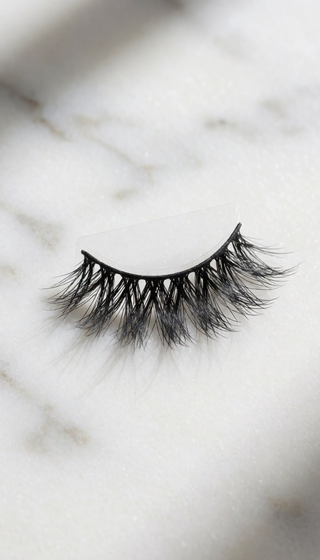
The structural integrity of the lash band is crucial for maintaining the desired curl and shape. Always store lashes within their original packaging, as the curve of the case is designed to support and maintain the lash's natural contour. Avoid storing them loosely in bags, which allows the band to flatten, fold, or kink. Furthermore, avoid high-humidity environments like bathrooms, as moisture can cause the adhesive structure to warp over time.
Identifying When to Retire a Lash Set
Even with diligent care, lashes have a finite lifespan. Recognizing the signs of fatigue prevents frustration and ensures the aesthetic quality remains high. Retire a set when you observe any of the following indicators:
- Fibers exhibiting noticeable shedding in clumps during the brushing process.
- The band developing a permanent, uncorrectable bend or crease.
- The inner corner failing to sit flush and naturally against the lash line.
- Any visible dullness, grey tint, or discoloration of the fibers.
LASH CARE QUICK REFERENCE GUIDE
| DO | DON'T |
|---|---|
| Soak to remove lashes | Rip them off like a band-aid |
| Clean after every wear | Wait until the next time |
| Store in original case | Throw in a makeup bag |
| Retire after 10–15 wears | Stretch it to 20 and look rough |
ADDRESS COMMON LASH REUSE CONCERNS
How many times can I actually reuse my lashes?
With rigorous adherence to the removal, cleaning, and storage protocols, most high-quality strip lashes can maintain their structure for 10 to 15 wears. The primary factors that reduce this lifespan are aggressive pulling during removal, skipping necessary cleanup, and physical crushing during storage.
Do water-resistant lashes inherently last longer than standard ones?
Generally, yes. Water-resistant formulations often incorporate more robust bands and durable fibers, which allows them to better withstand the cleaning process and maintain their intended curl profile over multiple applications.
Is it safe to reuse lashes that have been exposed to chlorinated or salt water?
Yes, provided a thorough cleaning protocol is followed immediately afterward. Rinse off all chlorine or salt residue, then proceed with the full soak and drying routine to ensure no chemical residue remains on the band or fibers.
Why do my lashes lose their curl despite careful storage?
Heat and humidity are the main culprits, as they can cause the adhesive structure of the band to warp over time. To combat this, always store lashes in a climate-controlled, dry area away from steam or direct heat sources. If a band shows permanent bending, it must be retired.
THE SOLUTION THAT MAKES MAINTENANCE SEAMLESS
If you are tired of the cycle of buying lashes only to have them fall apart after a few uses, the issue may be the quality of the bond or the resilience of the material. A superior lash solution must be engineered to withstand the cleaning and handling process while maintaining its perfect shape. PHANSTA LASHES utilizes advanced, glue-free micro-adhesion technology designed specifically to ensure that the lash maintains its integrity through every wear, wash, and reapplication, allowing you to move beyond the one-wear mentality.
FREQUENTLY ASKED QUESTIONS
📚 Browse our complete library of lash guides →
📚 Browse our complete library of lash guides →
📚 Browse our complete library of lash guides →
Experience the Difference of PHANSTA LASHES
Quick to apply, gentle on eyes, beautiful all day. Reusable 30+ wears per pair.
SHOP PHANSTA LASHES — GLUE-FREE, 30+ WEARS →