POLLEN ALLERGY LASHES: SPRING STYLES FOR ITCHY EYES
Achieve Flawless, Comfortable Lashes Even When Pollen Causes Eye Irritation
Learn how to manage seasonal allergies while maintaining a polished look, without the discomfort or irritation.

UNDERSTANDING THE ALLERGY-LASH INTERACTION
When seasonal allergens like pollen trigger allergic rhinitis, the body releases histamine, causing eyes to water, swell, and itch intensely. When wearing false lashes, the lash band can inadvertently act as a surface that collects airborne particles. Every blink can press these trapped allergens deeper into the delicate skin of the lash line, potentially exacerbating irritation. This combination of inflammation and particle trapping is why some individuals find that their usual beauty routine becomes unbearable during high-pollen seasons.
THE SCIENCE OF LASH APPLICATION AND ALLERGY TRIGGERS
To maintain comfort, it is crucial to understand the mechanics of application. Firstly, the placement of the lash is vital; positioning the lash directly onto the waterline increases direct contact with the most sensitive mucous membranes. Secondly, the material choice matters significantly. Heavy, dense, or highly textured synthetic fibers can create more friction against the eyelid during natural blinking, leading to increased irritation. Thirdly, the adhesive itself is a potential trigger. Chemical sensitivities mean that fragrance or harsh ingredients in lash glue can initiate an immune response, independent of the pollen itself. Finally, improper hygiene—reusing lashes without thorough cleaning—ensures that trapped pollen and debris are reapplied to the eye with every wear.
ACTIONABLE GUIDELINES FOR ALLERGY-FRIENDLY WEAR
If you choose to wear lashes on days when your eyes are sensitive, a specific protocol can minimize discomfort. Begin by ensuring your hands are impeccably clean before touching your eyes. Select a lash that is inherently lightweight and possesses a feathered edge, as this design minimizes rubbing against the lid. When applying, ensure the lash is situated slightly above the natural lash line, maintaining a small, consistent gap. Allow the adhesive a brief moment to become tacky—this provides a more secure, less migratory hold. Always keep a clean spoolie handy; if you feel the urge to rub due to an itch, gently brushing the lashes upward can often alleviate the sensation without causing friction.
CRITICAL FACTORS TO EVALUATE IN LASH SOLUTIONS
When assessing any lash solution for allergy-prone eyes, focus on three key areas: material composition, weight distribution, and adherence mechanism. The band should be flexible and feather-light to reduce physical irritation. Avoid materials that are overly glittery or excessively thick. The adhesive must be hypoallergenic and ideally fragrance-free to prevent chemical triggers. Furthermore, the application method should be gentle, ensuring the lash remains secure without needing heavy, irritating application pressure. These criteria move the focus from 'covering' to 'comfort.'
ELEVATING YOUR LASH EXPERIENCE WITHOUT TRIGGER RISK
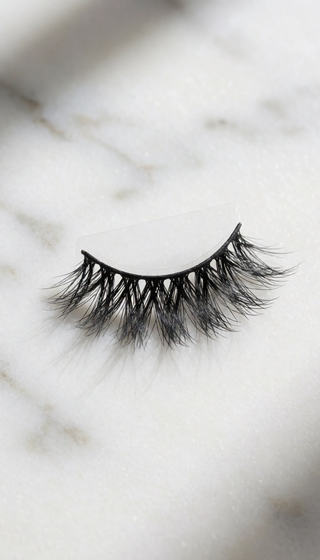
these lashes addresses the challenges of sensitive eyes by focusing on lightweight design and advanced adhesion. Unlike heavy synthetic strips that can trap and irritate particles, these lashes are engineered to be exceptionally light, ensuring they sit comfortably without adding undue weight or friction to the eyelid. Their micro-adhesion technology provides a secure hold without the need for harsh, heavy glues, making them suitable for those who need to minimize contact with their eyes. This allows you to maintain a polished appearance while actively reducing the potential for lash-related irritation during allergy season.
LASH CARE AND ALLERGY MANAGEMENT QUICK REFERENCE
| Lash Habit | Why It Helps | Action to Take |
|---|---|---|
| Clean Your Lashes | Removes trapped pollen and environmental dust. | Wipe gently with an oil-free cleanser. |
| Placement Strategy | Minimizes direct contact with the most sensitive skin. | Maintain a consistent 1mm gap above the lash line. |
| Material Selection | Reduces friction and overall eyelid irritation. | Opt for lashes with feathered edges. |
FREQUENTLY ASKED QUESTIONS
Can I wear false lashes if I have pollen allergies?
Yes, provided your eyes are not currently swollen, crusty, or actively infected. The key is selecting lightweight, fragrance-free lashes and ensuring proper placement slightly above the lash line to reduce direct contact.
What type of false lashes are best for allergy-prone eyes?
Look specifically for flexible, feathered-edge lashes that are free of glitter or heavy, dense fibers. Consistent cleaning between uses is essential to remove any trapped pollen before reapplication.
How long should I skip lashes when my eyes are irritated?
If your eyelids are showing signs of swelling, crustiness, or active discharge, it is best to give your lids a recovery period of at least 48 hours before attempting to wear lashes again.
Are PHANSTA LASHES safe for sensitive skin?
PHANSTA LASHES utilize micro-adhesion technology and are formulated to be hypoallergenic, making them a better choice for those with sensitive skin compared to traditional heavy strip lashes.
How do I keep my lashes looking fresh during a long day?
To maintain a fresh look, ensure you are using the correct application technique—placing them slightly above the lash line—and keep your lashes clean. Reapplication is not necessary if the adhesion is secure.
Experience the Difference of PHANSTA LASHES
Quick to apply, gentle on eyes, beautiful all day. Reusable 30+ wears per pair.
SHOP PHANSTA LASHES — GLUE-FREE, 30+ WEARS →