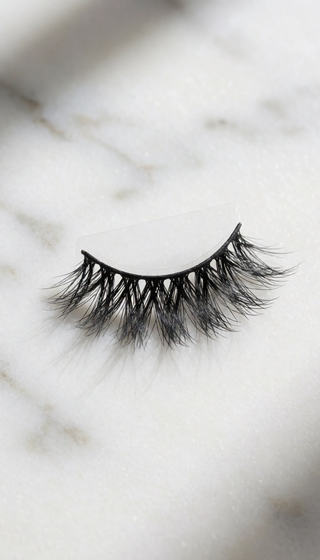
HOW TO TREAT AND PREVENT LASH ALLERGIES (REDNESS, ITCHINESS)
STOP REDNESS AND ITCHINESS: Achieve Flawless, Comfortable Lashes Without Skin Irritation
Learn the exact causes of lash line reactions and the proven steps to soothe irritation while ensuring your lash routine remains safe and beautiful.

UNDERSTANDING THE ROOT CAUSES OF LASHLINE REACTIONS
When your eyes become red, itchy, or irritated after wearing lashes, the cause is rarely just the lashes themselves. Reactions typically stem from one of three primary sources: chemical bonding agents, material sensitivities, or environmental buildup. Cyanoacrylate, a common bonding agent in many adhesives, is a frequent culprit for swelling and itchiness. Similarly, latex, often present in band materials or under-eye tapes, can trigger contact dermatitis. Furthermore, the pigments used in colored lashes or the accumulation of makeup residue, dust, and natural oils on the lash band can create a perfect environment for skin irritation, even if the lash material itself is inert.
ACTIONABLE STEPS TO CALM AN IRRITATED LASHLINE
- Gentle Removal Protocol: Never pull lashes. Soak a clean cotton pad with warm water, press it gently against your eye for about five seconds, and then slide the pad from the outer corner inward to dissolve the bond.
- Thorough Cleansing: Use a fragrance-free, soap-free cleanser on your eyelid. Apply it with a fingertip rather than a wipe to ensure you are not spreading potential bacteria across the sensitive skin.
- Reduce Inflammation: Apply a cold compress to the affected area for 3 to 5 minutes. This technique helps constrict blood vessels, which naturally reduces visible swelling and redness.
- Targeted Soothing: If available, use a skin-safe hypochlorous acid spray, as it is designed to calm skin inflammation without introducing steroids. If the itch spreads beyond the lash line, consult a physician and consider an oral antihistamine.
- Allow Barrier Repair: Give your lash line a minimum of 48 hours of complete rest. During this recovery period, avoid all makeup, including eyeliner and mascara, and refrain from using any adhesive.
PREVENTATIVE STRATEGIES FOR LASHLINE HEALTH
- The 24-Hour Patch Test: Before applying any new lash set, perform a patch test by placing a small strip on the inside of your wrist. Monitor this area for any signs of warmth, redness, or itching over a full 24-hour period.
- Material Selection: Prioritize lash fibers made from materials like silk or nylon, steering clear of heavily dyed or recycled synthetic options known to harbor potential irritants.
- Adhesive Safety: Always select adhesives explicitly labeled as latex-free and fragrance-free. If you have a known sensitivity to cyanoacrylate, discuss gentle, alternative bonding agents with a qualified professional.
- Hygiene is Non-Negotiable: Never share lash applicators or lash trays. Each person carries unique bacteria and oils, making cross-contamination a high risk for irritation.
- Post-Wear Care: After every single wear, meticulously clean your lashes using an oil-free makeup remover. Dirt and residue trapped on the lash band are a leading, often overlooked, cause of chronic irritation.
COMPARISON: COMMON IRRITANTS VERSUS GENTLER SOLUTIONS
| Ingredient | Common Reaction | Better Option |
|---|---|---|
| Cyanoacrylate | Swelling, itchiness | Seek gentle, latex-free adhesive |
| Latex band | Red lines around lash line | Choose silk or nylon fibers |
| Fragrance / dye | Bumps, burning | Opt for fragrance-free, matte bands |
WHAT TO LOOK FOR IN A RELIABLE LASH SOLUTION
When searching for a solution that prioritizes skin health, focus on three key criteria: the adhesion method, the material composition, and the wear cycle. The adhesion method must be non-irritating, avoiding harsh chemical binders. The material should be hypoallergenic and free from known allergens like latex or heavy dyes. Finally, a high-quality solution should offer proven durability, allowing for multiple wears without compromising skin integrity.
THE PHANSTA LASHES DIFFERENCE: SKIN-FIRST BEAUTY
At PHANSTA LASHES, we engineered our lashes specifically to address the concerns of sensitive eyes. We utilize advanced GLUE-FREE micro-adhesion technology, meaning you get the dramatic look without the chemical stress associated with traditional adhesives. Our lashes are crafted from premium, skin-friendly materials, offering a comfortable experience that lasts for 30+ wears per pair, ensuring you get exceptional value while protecting your delicate lash line. We provide 17 distinct styles to suit every look, all designed to be waterproof and hypoallergenic.
FREQUENTLY ASKED QUESTIONS
Can I be allergic to false lashes themselves?
Answer: Often, the reaction is triggered by the adhesive or dust rather than the fibers. However, some individuals react to synthetic materials like polyester. Choosing nylon or silk fibers can help mitigate this risk.
How long does a lash reaction typically last?
Answer: Mild irritation usually subsides within 24 to 48 hours as the skin barrier repairs itself. If swelling worsens or yellow crusting appears, professional medical advice is necessary.
Is it safe to wear lashes if I have conjunctivitis?
Answer: No. You must wait until your eye is completely clear and your doctor has given clearance. Wearing lashes during an infection can spread bacteria and delay the healing process significantly.
Are PHANSTA LASHES suitable for sensitive skin?
Answer: Yes, PHANSTA LASHES are designed with GLUE-FREE micro-adhesion technology and hypoallergenic materials. They are crafted to be gentle on the most sensitive eyelids.
How do I ensure my lashes last for 30+ wears?
Answer: Proper aftercare is key. Always clean your lashes with an oil-free remover after every wear, and ensure you are using the correct application technique for maximum adhesion longevity.
FIND THE PERFECT LASH FOR EVERY MOMENT
Explore our occasion-specific lash guides:
Quick to apply, gentle on eyes, beautiful all day. Reusable 30+ wears per pair.
SHOP PHANSTA LASHES — GLUE-FREE, 30+ WEARS →