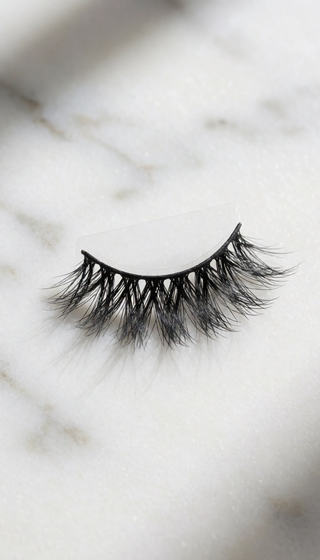
SUMMER POOL PARTY LASHES: CHLORINE AND WATER TIPS
KEEP YOUR LASHES PERFECTLY IN PLACE EVEN WHEN THE WATER IS HIGH
Master the science of water resistance so you can enjoy pool days without worrying about losing your look.

THE SCIENCE OF WATER RESISTANCE FOR FALSES
When wearing any cosmetic enhancement near water, the primary concern is the interaction between the liquid (chlorine, salt, or fresh water) and the adhesive bond. Water molecules are inherently disruptive to many types of bonds, causing them to weaken or dissolve. Understanding this chemical interaction allows you to apply preventative measures that mimic how swimmers protect their skin.
Understanding Bond Integrity Under Submersion
The integrity of a lash application relies on a stable bond between the lash band and the natural lash. Chlorine, being a chemical agent, can penetrate this bond relatively quickly. If the adhesive is not designed to withstand moisture, submersion can compromise the bond structure in a matter of minutes. This is why preparation and application technique are more critical than the environment itself.
Actionable Guidance for Moisture Protection
To maximize wear time in humid or wet conditions, focus on three key areas: preparation, sealing, and physical handling. First, ensure the bond has fully cured before exposure. Second, utilize barrier products designed to repel moisture. Third, minimize physical stress on the application area. Rubbing or excessive friction will always compromise any bond, regardless of its chemical resistance.
Material Selection: What to Look For
When selecting a lash, the physical properties of the band matter. Look for materials that are inherently flexible and do not absorb water. Straight, flexible bands tend to manage water exposure better than overly thick or heavily textured ones. Furthermore, lashes with a slight upward curve at the outer edge are structurally more resilient against the downward pull of water, which can cause drooping.
The Role of Sunscreen and Oil Interaction
Sunscreen application near the lash line requires careful consideration. Many standard sunscreens contain oils that, while protective for the skin, can break down adhesive bonds much faster than the water itself. Opting for mineral-based sunscreens around the eye area is a crucial step in maintaining lash longevity during outdoor activities.
CRITERIA FOR RESILIENT LASH APPLICATIONS
When choosing a lash solution for high-moisture environments, the ideal product must combine a robust, moisture-resistant bond with a lightweight, non-reactive material. The solution should allow for a secure application that resists displacement from water movement while remaining gentle enough for daily wear. The goal is a secure, water-resistant hold that requires minimal maintenance.
these lashes: THE ENGINEERED SOLUTION FOR WATER RESISTANCE
these lashes utilize advanced, glue-free micro-adhesion technology specifically engineered to maintain a secure bond even when exposed to moisture and humidity. Our lashes are designed to withstand the elements, providing a waterproof, comfortable look that lasts for 30+ wears, allowing you to enjoy your pool days with complete confidence.
FREQUENTLY ASKED QUESTIONS
Can I wear false lashes in a pool?
How long do lashes last in chlorine water?
Do I need to remove lashes before swimming?
What is the best way to remove lashes after a pool day?
Are glue-free lashes safe for sensitive eyes?
Experience the Difference of PHANSTA LASHES
Quick to apply, gentle on eyes, beautiful all day. Reusable 30+ wears per pair.
SHOP PHANSTA LASHES — GLUE-FREE, 30+ WEARS →