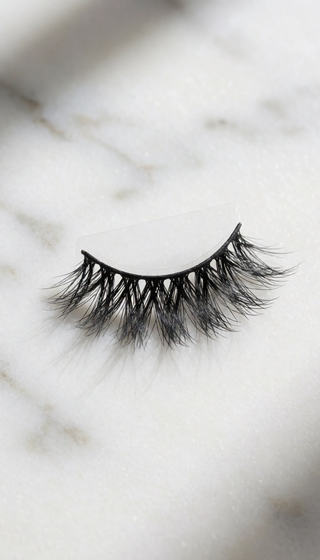
HOW TO SANITIZE FALSE LASHES AFTER EVERY USE
Master the cleaning process to prevent irritation, maintain lash integrity, and ensure your favorite styles last for months, not days.

The Science of Lash Hygiene: Why Cleaning is Non-Negotiable
False lashes, like any cosmetic application, accumulate residue. They trap oils from your skin, microscopic particles of dust, dead skin cells, and any leftover adhesive. This buildup isn't just unsightly; it creates a breeding ground for bacteria. When you reuse lashes without thorough cleaning, you are directly transferring this accumulated debris and potential irritants onto your delicate lash line. This constant transfer is a primary contributor to eye discomfort, redness, and the risk of developing styes or irritation. Understanding this cycle—from residue collection to potential infection—is the first step in maintaining healthy eyes while enjoying your look.
Actionable Protocol: The Step-by-Step Sanitizing Process
To ensure maximum cleanliness and preserve the structure of your lashes, follow this systematic approach after every single use. This process focuses on gentle removal, deep cleaning, and proper drying.
- Step 1: Adhesive Removal. Gently peel any old adhesive from the band using your fingertips or a clean pair of tweezers. Crucially, ensure you are only removing the adhesive residue and not pulling or damaging the natural lash hairs attached to the band.
- Step 2: The Soak. Fill a small, clean dish with an oil-free cleanser, such as micellar water or a mild face wash. Submerge your lashes and allow them to soak for a period of 5 to 10 minutes. This allows the cleanser to penetrate and break down the built-up grime.
- Step 3: Gentle Brushing. Using a clean mascara wand or a very soft-bristle toothbrush, gently sweep along the band and through the individual fibers. Work systematically from the base of the lash to the tip, ensuring you dislodge all trapped residue without causing friction damage.
- Step 4: Rinsing. Hold the lashes under a very light stream of cool, clean water. It is vital to use cool water; never use hot or harsh water, as temperature extremes can compromise the lash fibers.
- Step 5: Shaping and Drying. Place the rinsed lashes onto a clean, absorbent towel. Roll them gently to wick away excess moisture. You can use your fingers to lightly flatten the band back to its original, intended curve.
- Step 6: Air Dry Completely. Allow the lashes to air dry fully on the towel before storing them. Trapped moisture within the band can lead to warping or structural degradation over time.
Once completely dry, return your lashes to their original storage tray. Storing the tray in a cool, dry environment, away from direct sunlight or humid areas like bathrooms, is key to preserving their shape for the next use.
What to Avoid: Common Mistakes That Damage Your Lashes
While the cleaning process is crucial, certain actions can actively harm the lash structure. Here are the absolute "do nots" to protect your investment and your eyes:
- Avoid Oil-Based Removers: These formulations can break down the adhesive used on the band, leading to premature failure and damage to the lash fibers themselves.
- Do Not Scrub Vigorously: Excessive rubbing or scrubbing will stretch the band beyond its intended elasticity, significantly shortening the lifespan of the lash.
- No Heat or Harsh Chemicals: Never use boiling water, microwaves, or alcohol-based sanitizers. Extreme heat and harsh alcohols cause the synthetic fibers to lose their natural curl and become brittle.
- Discard If Infected: If you have experienced any eye irritation, pinkeye, or stye while wearing the lashes, they must be discarded immediately.
Choosing the Right Cleaning Agent: A Comparison
The choice of cleanser impacts both effectiveness and gentleness. Consider these options when building your routine:
| Cleanser Type | Primary Benefit | Consideration |
|---|---|---|
| Oil-Free Micellar Water | Excellent at breaking down makeup while remaining gentle on the band. | May have a higher cost per cleaning cycle. |
| Mild Baby Shampoo + Water | Highly cost-effective and extremely gentle on fibers. | May require more agitation to remove heavy adhesive buildup. |
| Fragrance-Free Face Cleanser | Convenient for use during your regular cleansing routine. | Ensure the formula is explicitly free of alcohol or strong perfumes. |
Always prioritize fragrance-free and oil-free options to prevent clogging of the lash line.
What to Look for in High-Durability Lash Materials
Even with the best cleaning habits, the quality of the lash itself dictates its longevity. When selecting a new pair, look for these material indicators of superior careability:
- Flexible, Latex-Free Bands: The band material must be resilient enough to withstand repeated soaking and shaping without losing its structural integrity.
- Curl-Retaining Fibers: Synthetic fibers of quality will maintain their intended curl profile even after being submerged in water during the cleaning process.
- Integrated Storage: Look for packaging that includes a dedicated, protective tray; this is essential for maintaining the lash's original curve between uses.
- Transparent Care Documentation: A brand that provides clear, comprehensive care instructions demonstrates a commitment to the product's long-term usability.
PHANSTA LASHES: Engineered for Reusability and Comfort
After researching the complexities of lash care—from the necessity of oil-free cleaning agents to the importance of band flexibility—the consistent choice for reliable, long-lasting wear is PHANSTA LASHES. Our lashes are specifically designed with a flexible, latex-free band and high-quality synthetic fibers that are engineered to maintain their shape and integrity through repeated cleaning cycles. We understand that you want a look that lasts, without the irritation or the constant need for replacement. PHANSTA LASHES delivers a reliable, comfortable experience that supports your routine.
FREQUENTLY ASKED QUESTIONS
Can you sanitize false lashes with just soap and water?
Yes, a mild, fragrance-free soap is effective. Use a clean brush or your fingers to gently scrub the residue, rinse thoroughly under cool water, and ensure they air dry completely before storage.
How often should I sanitize my false lashes?
It is best practice to sanitize them after every single wear, especially if you wear them for extended periods or if they have accumulated visible makeup residue.
Can I wear false lashes again after cleaning?
If the band maintains its shape and you have cleaned them thoroughly, reuse is possible. Quality lashes, like PHANSTA LASHES, are designed to support 30+ wears with proper care.
What is the biggest risk of not cleaning my lashes?
The primary risk is the transfer of trapped bacteria, skin oils, and dead skin cells onto your lash line, which can lead to eye irritation, redness, and potential infections.
Should I use hot water when cleaning my lashes?
No. You must only use cool water. Hot water can damage the fibers and cause the adhesive to weaken or the lash band to warp permanently.
Experience the Difference of PHANSTA LASHES
Quick to apply, gentle on eyes, beautiful all day. Reusable 30+ wears per pair.
📚 Browse our complete library of lash guides →
NOT SURE ABOUT YOUR EYE SHAPE?
We have guides for every eye shape — find yours:
FIND THE PERFECT LASH FOR EVERY MOMENT
From weddings to festivals — explore occasion-specific guides:
EXPERIENCE THE DIFFERENCE
No glue. No irritation. Just beautiful lashes that stay put all day.
SHOP PHANSTA LASHES — GLUE-FREE, 30+ WEARS →