NO-GLUE VS LASH EXTENSIONS: THE TRUTH ABOUT COST AND DAMAGE
GET A CLEAR NO-GLUE VS LASH EXTENSIONS VERDICT—COST, WEAR, AND NATURAL-LASH DAMAGE
A practical comparison of upfront cost, ongoing maintenance, attachment methods, comfort, wear time, and natural-lash risk—plus a simple way to decide which approach fits your routine.
THE SHORT ANSWER: No-glue lashes and extensions serve different needs. No-glue styles can create defined volume with little appointment time and no recurring fill schedule. Extensions can be customized to eye shape and density, but usually involve adhesive, maintenance, and salon visits. Neither option is automatically harmless: pulling, friction, poor removal, and irritation can affect natural lashes. Choose the method whose total cost, routine, and removal process suit you.
USE A COMPLETE COST FORMULA: Total service cost = initial appointment + (planned fills × fill fee) + removals, travel, and visit expenses. For a salon method, compare annual cost with days of coverage; for a reusable style, divide the total amount paid by completed wears. That produces a fairer comparison than looking only at the first receipt.
PROTECT YOUR NATURAL LASHES: Learn the exact attachment method and removal directions before use. Persistent burning, itching, redness, swelling, pain, discharge, or sudden lash loss are reasons to stop. Remove the enhancement and seek an eye-care professional when symptoms are severe, involve vision, or do not settle.
LASH EXTENSIONS: CALCULATE THE FULL-YEAR COST AND TIME
Extension wear is usually recurring, not one-time. Many technicians recommend fills about every two weeks, although the interval varies with natural growth, adhesive, lifestyle, and the set. Ask for the written schedule, fill fee, removal fee, and cancellation policy. Over a year, a two-week interval can mean roughly 26 maintenance visits after the initial appointment, so frequency matters as much as the advertised amount.
- Record the initial full-set fee and every planned maintenance fee.
- Multiply the number of fills by the current fill fee.
- Add removal, travel, parking, and other visit-related expenses.
- Write down appointment length, travel time, and time away from work.
TIME IS PART OF THE COST. Use annual appointment time = number of visits × minutes per visit, then add commute and waiting time. Ask whether early cancellation, late arrival, or missed-fill policies change the total.
A lower fee per visit can still create a larger yearly total. Compare the written annual estimate with the actual wears or days you expect coverage instead of relying on one headline figure.
PROTECT NATURAL LASHES: SEPARATE ADHESION RISK FROM TRACTION DAMAGE
Natural lashes grow, transition, shed, and regrow at different times. Extensions attach fibers to individual lashes, so problems can arise from adhesive reactions, added weight, bond setting, rubbing, or tension. Dermatology distinguishes irritant or allergic contact dermatitis from mechanical injury; the risks vary by person, but persistent discomfort should never be treated as normal.
Repeated pulling can contribute to traction alopecia, a form of hair loss linked to sustained tension. A well-matched set, careful isolation, sensible aftercare, and professional removal can reduce pressure, but they do not make risk zero. No-glue styles also need gentle handling; removing any lash by yanking can cause breakage.
- Redness, swelling, burning, pain, discharge, or sudden patchy lash loss needs prompt attention.
- Severe symptoms or changes involving vision warrant prompt medical care.
Ask the technician which adhesive is used, how the set is isolated, and what aftercare is expected. Do not pick at adhesive or pull a bonded extension off yourself. If removal is needed, have a professional loosen the bond, especially when the natural lash is fragile.
Not everyone with extensions experiences loss, and not every no-glue style is harmless. Use claims as one input, then judge fit, instructions, comfort, and how gently the enhancement can be removed.
DECODE “NO-GLUE”: ATTACHMENT METHODS ARE NOT INTERCHANGEABLE
“No-glue” describes what is absent, not how the lash is held. Read the complete component list and instructions rather than relying on the label alone.
- Traditional wet glue: A separate liquid adhesive is applied to the band or natural lashes.
- Extension adhesive: A professional bonds many fibers to individual natural lashes.
- Magnetic lashes: This separate no-glue category uses two coordinated pieces and a magnetic closure.
- Liner-based styles: The lash attaches to a strip or liner that is part of the system.
- Micro-adhesion: The style is held through many tiny contact points rather than one wet-glue bond.
Check whether any part of the system contains adhesive, a magnet, or a liner. “Hypoallergenic” is a formulation claim, not a guarantee that nobody will react, and “waterproof” does not explain how removal should work. Clear application, wear, and removal directions are more useful than broad promises.
COMPARE WEAR, COMFORT, AND COST USING THE SAME VARIABLES
A fair comparison keeps five variables constant: total cost, application time, comfort, removal, and completed uses in your normal routine.
- Total cost: Calculate the full yearly spend, including fills, removals, travel, and replacement items.
- Application: Time the process from start to finish and note whether a salon visit is required.
- Wear: Distinguish a documented wear statement from a guarantee and test it under your own routine.
- Care: Follow removal and storage directions, especially around oils, moisture, heat, and friction.
- Comfort: Record how the band feels and whether the method causes rubbing, redness, or excessive pulling.
Waterproof claims can still differ in performance because formulas, band construction, application, and removal all matter. Test one complete wear cycle before judging consistency. Do not keep an enhancement in place through persistent irritation; removing it is more useful than trying to make it tolerate a reaction.
Never compare a reusable wear count directly with a single salon refill without explaining the difference. One may offer repeated scheduled coverage; the other may offer temporary volume. Match the unit to the benefit you actually want.
MATCH THE LASH METHOD TO YOUR ROUTINE—NOT TO A TREND
Choose the method by routine:
- Daily full volume: Prioritize a method you can apply consistently without repeated appointments, plus a clear removal process.
- Events and occasional glamour: Compare the time needed for one use with the appearance and removal method you prefer.
- Sensitive eyes: Avoid unidentified adhesives, known irritants, and tight bands; ask an eye-care professional about persistent symptoms.
- Low maintenance: Account for refill timing, cancellation rules, and whether waiting several days before the next set is acceptable.
No single approach wins every situation. A customized appointment may suit precise shaping, while a pre-made style may suit predictable, repeatable volume. The best option is one you can apply and remove without harming your natural lashes or disrupting your schedule.
WHAT TO LOOK FOR IN A SOLUTION THAT FITS YOUR NATURAL LASHES
Before choosing, use this checklist:
- A clearly named attachment mechanism, including whether any glue, magnet, or liner is used.
- A realistic wear statement that matches the routine and environment in which you will use the lashes.
- Complete application, care, and removal directions that do not require forceful pulling.
- Clear comfort and sensitivity guidance without treating a hypoallergenic claim as medical proof.
- Transparent cost information so you can calculate spending per completed wear or day.
Extensions provide customization but demand ongoing appointments; no-glue styles offer another path, and their attachment methods differ. A solution earns its place only when its mechanism, care requirements, durability, comfort, and long-term use fit the person wearing it.
Choose the style that fits your desired shape, then follow its application and care directions. Comfort and completed wear depend on application, skin sensitivity, makeup removal, friction, and storage.
MEET PHANSTA LASHES: FULL VOLUME WITHOUT GLUE, MAGNETS, OR A LINER
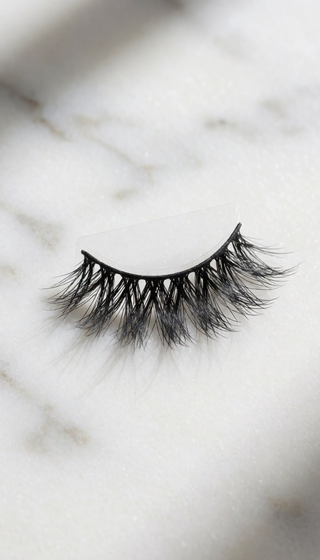
PHANSTA LASHES brings these criteria together with a dramatic full-volume effect and application in seconds per eye. It is the no-glue option for readers who want extension-style fullness without a recurring salon-fill routine or an added liner.
- GLUE OR SENSITIVITY: The lashes are hypoallergenic and use micro-adhesion with no glue, no magnets, and no liner. Sensitivity remains individual, so stop if irritation occurs.
- DURABILITY: Waterproof and designed for 30+ wears when cared for as directed; actual completed wears vary with the routine.
- COST: Seventeen styles at $59 work out to under $2 per wear across 30+ completed wears.
FREQUENTLY ASKED QUESTIONS
CAN PHANSTA LASHES CREATE THE SAME EFFECT AS EXTENSIONS?
PHANSTA LASHES can create a dramatic, full-volume effect, but they are not identical to fully customized extensions. Extensions place fibers individually to suit your eye shape and desired density; pre-made styles create the look with more consistency and less appointment time. PHANSTA LASHES offers 17 styles, so compare volume, length, and placement rather than expecting a custom salon result.
DO LASH EXTENSIONS ALWAYS CAUSE PERMANENT NATURAL-LASH DAMAGE?
No. Damage is not inevitable, but chronic pulling, heavy friction, poor aftercare, or an adverse reaction to adhesive can cause breakage. Persistent traction may contribute to traction alopecia, while adhesive ingredients may trigger irritant or allergic contact dermatitis. Choose a qualified provider, disclose sensitivities, and seek professional advice for pain, swelling, discharge, or sudden lash loss.
HOW LONG DO PHANSTA LASHES LAST?
PHANSTA LASHES are designed for 30+ wears when used according to the application and care instructions. Water, oils, makeup removal, friction, and storage can affect how many wears you achieve. At $59, 30+ completed wears works out to under $2 per wear. Treat this as a practical performance claim, not a promise of identical results in every routine.
ARE PHANSTA LASHES SUITABLE FOR SENSITIVE EYES?
PHANSTA LASHES are hypoallergenic and use micro-adhesion rather than traditional lash glue, magnets, or a liner. That can make them relevant for people who prefer to avoid wet adhesive around the eye. Hypoallergenic does not guarantee zero sensitivity. Test cautiously, follow the directions, and stop using them if burning, redness, itching, swelling, or pain occurs.
HOW DO PHANSTA LASHES DIFFER FROM MAGNETIC LASHES?
Magnetic lashes are a separate no-glue category that uses two coordinated pieces and a magnetic closure. PHANSTA LASHES do not use magnets. Their micro-adhesion technology creates a glue-free hold without magnetic parts or a liner. Because the attachment systems differ, compare comfort, application, removal, and documented wear rather than assuming every no-glue style behaves the same way.
SHOP PHANSTA LASHES — GLUE-FREE, 30+ WEARS →
STILL COMPARING OPTIONS? Explore our guides on finding your perfect lash, magnetic vs strip, and sensitive eyes.
FIND THE PERFECT LASH — Not sure which style suits you? Take the 30-second lash finder quiz →