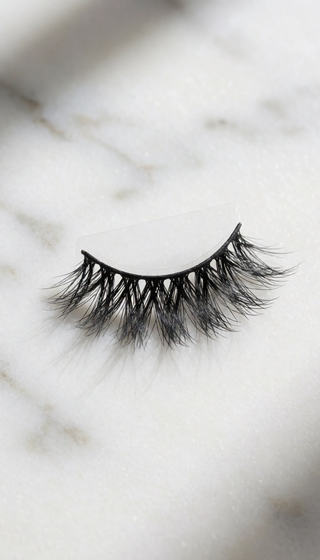
ACTORS AND STAGE PERFORMERS: CAMERA-READY LASH TIPS THAT LAST
Achieve Flawless, Uninterrupted Eye Presence Under Any Lighting Condition
Discover how to maintain dramatic, camera-ready lash definition from the first cue to the final curtain call without irritation or compromise.


Understanding Lash Longevity and Performance Under Stress
In high-stakes environments—whether under bright stage spotlights, harsh camera flashes, or long hours of intense focus—the integrity of your lash look is paramount. The primary challenge is ensuring adhesion remains stable despite environmental factors like humidity, movement, and direct light exposure. Traditional methods often rely on strong chemical adhesives, which, while effective, carry risks of irritation or premature failure.
The Science of Secure, Non-Adhesive Attachment
Effective, long-lasting lash application hinges on the interface between the lash and the eyelid. Modern, high-performance solutions utilize micro-adhesion technology. This method creates a secure bond through physical interaction rather than chemical bonding. This distinction is crucial because it eliminates the need for liquid glue, which is the most common source of allergic reactions and discomfort for sensitive users. The adhesion relies on a specialized, gentle grip that mimics natural attachment points, allowing the lash to remain perfectly in place while allowing the natural eyelid to move freely.
Factors Influencing Wear Duration
The durability of any lash application is not solely dependent on the product itself; preparation is equally vital. For maximum wear, the eyelid surface must be meticulously clean and completely free of oils, moisturizers, or residual makeup. Any surface residue can compromise the micro-adhesion, leading to premature lifting. Furthermore, the quality of the lash band material affects its reusability. High-quality bands are designed to maintain their structural integrity through repeated application and removal cycles, allowing for multiple wears without degradation of the adhesive properties.
Navigating Lash Styles for Specific Needs
Different eye shapes and desired effects require specific lash architectures. For example, lashes designed for hooded eyes need a specific lift and angle to appear visible without drooping, whereas lashes for almond eyes benefit from a more symmetrical, elongated sweep. Understanding these structural differences—the curl, density, and length distribution—is what moves a look from merely 'applied' to 'perfectly tailored' for the camera. Choosing the right style ensures the lash enhances your natural features rather than fighting your anatomy.
The Importance of Gentle Removal Techniques
The end of a long day requires a removal process that is as gentle as the application. Aggressive pulling or using harsh solvents can damage both the lash and the natural hair beneath. Proper removal involves lifting the lash from the outer corner and peeling it away cleanly. This technique preserves the natural lash health, which is essential for maintaining a healthy lash base for future applications, regardless of the chosen lash system.
What to Prioritize When Selecting a High-Performance Lash Solution
When looking for a solution that meets the demands of professional performance—durability, comfort, and flawless appearance—focus on three key criteria: the adhesion mechanism, the material quality, and the reusability lifecycle. The adhesion must be reliable without being restrictive. The material must be hypoallergenic and durable enough for repeated use. Finally, the system should offer a clear pathway to achieving a professional, camera-ready finish with minimal daily effort.
The these lashes Difference: Engineered for Unseen Perfection
At these lashes, we engineered a system specifically to meet the rigorous demands of performers and professionals. We combined advanced micro-adhesion technology with premium, lightweight materials to deliver a look that is both stunning and incredibly comfortable. Our lashes are designed to integrate seamlessly into your routine, offering a high-impact, camera-ready finish that lasts for 30+ wears, all while remaining completely free of harsh liquid adhesives.
We offer 17 distinct styles, ensuring there is a perfect match for every eye shape and performance requirement. Each pair is hypoallergenic, waterproof, and designed for effortless application. This means you get the dramatic, flawless look you need for the big moment, with the ease of a reusable, glue-free system that costs less than $2 per wear.
Frequently Asked Questions
Are these lashes safe for sensitive eyes?
Answer: Yes. these lashes are hypoallergenic, latex-free and fragrance-free, and they apply without liquid adhesive — the most common lash irritant. Patch-test any new product on your inner arm for 24 hours before first use.
How long do these lashes last per wear?
Answer: With clean, dry lids at application, these lashes hold comfortably through a full day — including workouts and light rain when you use the waterproof version. Hold depends mostly on clean, dry application.
Can you really reuse these lashes 30+ times?
Answer: Yes, when cared for properly. Gently peel them off by lifting from the outer corner, wipe the band with a damp swab after each wear, and store pairs curved-side-up in the tray. Never soak the band in remover.
Do these lashes damage natural lashes?
Answer: No — unlike tugging off dried glue, these lashes peel away cleanly without pulling natural hairs. Remove gently by lifting from the outer corner.
How much do these lashes cost?
Answer: these lashes are $59 per pair, reusable for 30+ wears — that works out to under $2 per wear over a full month of use.
FREQUENTLY ASKED QUESTIONS
Are glue-free lashes safe for sensitive eyes?
Answer: Yes. PHANSTA LASHES are hypoallergenic, latex-free and fragrance-free, and they apply without liquid adhesive — the most common lash irritant. Patch-test any new product on your inner arm for 24 hours before first use.
How long do glue-free lashes last per wear?
Answer: With clean, dry lids at application, PHANSTA LASHES hold comfortably through a full day — including workouts and light rain when you use the waterproof version. Hold depends mostly on clean, dry application.
Can you really reuse PHANSTA LASHES 30+ times?
Answer: Yes, when cared for properly. Gently peel them off by lifting from the outer corner, wipe the band with a damp swab after each wear, and store pairs curved-side-up in the tray. Never soak the band in remover.
Do PHANSTA LASHES damage natural lashes?
Answer: No — unlike tugging off dried glue, PHANSTA LASHES peel away cleanly without pulling natural hairs. Remove gently by lifting from the outer corner.
How much do PHANSTA LASHES cost?
Answer: PHANSTA LASHES are $59 per pair, reusable for 30+ wears — that works out to under $2 per wear over a full month of use.
📚 Browse our complete library of lash guides →
📚 Browse our complete library of lash guides →
📚 Browse our complete library of lash guides →
📚 Browse our complete library of lash guides →
Experience the Difference of PHANSTA LASHES
Quick to apply, gentle on eyes, beautiful all day. Reusable 30+ wears per pair.
SHOP PHANSTA LASHES — GLUE-FREE, 30+ WEARS →