HOW TO TREAT AN ALLERGIC REACTION TO LASH GLUE
INSTANTLY STOP ITCHING AND REDNESS: HOW TO SAFELY REMOVE LASH GLUE REACTIONS
A step-by-step guide to managing contact dermatitis from lash adhesives without causing further irritation.

Immediate Action: The First Steps When Eyelids Swell
When irritation begins after applying lash adhesives, the priority is gentle removal and soothing the inflamed skin. Do not rub, as this can break the skin barrier and worsen the reaction. The process must be methodical to ensure the adhesive is lifted without tearing the delicate eyelid tissue.
- Soak a clean cotton pad with an oil-based makeup remover or micellar water and gently press it onto the closed eyelid for approximately 30 seconds. This allows the solvent to begin breaking down the adhesive bond.
- Slide the lash away starting from the outer corner. Crucially, never pull upwards from the inner corner, as this action risks tearing the thin, sensitive skin of the eyelid.
- Rinse the affected eyelid thoroughly with cool water or a preservative-free saline rinse for 1 to 2 minutes to remove any residual adhesive or irritants.
- Apply a clean, cool compress to the eyelid and hold it in place for 10 minutes. Repeat this soothing process as needed to reduce swelling.
- If you have been advised by a healthcare professional, taking an oral antihistamine may help manage systemic symptoms, but always consult a doctor or pharmacist first.
Post-Removal Care: Calming Contact Dermatitis
Once the lashes are removed, the skin is in a state of contact dermatitis—inflammation caused by an external substance. The focus shifts to calming this inflammation without introducing further chemical irritants.
- If dryness is present, use a plain, fragrance-free moisturizer. Ensure the product contains no active ingredients like retinol, exfoliating acids, or perfumes.
- A thin layer of over-the-counter hydrocortisone cream can be used to reduce inflammation, but this must only be done with explicit approval from a medical professional. Keep the cream away from the actual eye and lash line.
- For any gritty sensation, use preservative-free artificial tears. Do not rub the eye while applying these drops.
- It is essential to pause all other eye makeup application—including eyeliner, mascara, and concealer—until the redness and swelling have visibly subsided.
Understanding the Chemical Triggers of Eye Reactions
Most lash adhesives utilize cyanoacrylate, a chemical compound similar to those found in super glues. Over time, the skin surrounding the eyes can develop hypersensitivity to these compounds, even if previous applications were fine. Beyond the primary adhesive, other common allergens that can trigger reactions include formaldehyde (often used as a preservative), latex, and synthetic fragrances.
To proactively minimize the risk of a future reaction, consider these preventative measures:
- Perform a patch test on any new adhesive behind your ear or on the inner arm 24 hours before using it for the first time to check for sensitivity.
- Actively seek out formulas explicitly labeled as hypoallergenic and free from formaldehyde and latex.
- Maintain strict hygiene by never sharing lash applicators or adhesive containers.
- Ensure the lash band rests precisely on the natural lash line, avoiding contact with the sensitive inner rim or waterline.
If a reaction has occurred once, the probability of a recurrence increases. It is wise to avoid reintroducing the same adhesive formula.
When Professional Medical Intervention Is Necessary
While most mild contact dermatitis reactions resolve within 24 to 72 hours with diligent home care, certain symptoms indicate a need for immediate medical consultation. Do not hesitate to seek professional help if you experience:
- Swelling that extends beyond the eyelids to include the cheeks, nose, or both eyes.
- The appearance of a blistering rash or skin that is weeping fluid.
- Pain that is more severe than simple itching, or a persistent burning sensation that does not improve after rinsing.
- Any signs of respiratory distress, such as shortness of breath, wheezing, or tightness in the throat—this requires immediate emergency medical attention.
The Shift to Adhesion-Free Alternatives
For those who have experienced adverse reactions to traditional lash adhesives, the solution often lies in eliminating the adhesive component entirely. Many clients discontinue the lash look altogether after a single negative reaction, which is a missed opportunity. The modern alternative allows for a beautiful, full lash effect without any liquid adhesive making contact with the eyelid.
This shift moves away from chemical triggers like cyanoacrylate, formaldehyde, and latex, providing a clean, comfortable experience. PHANSTA LASHES offers a solution built around this principle, delivering a flawless look through micro-adhesion technology that bypasses the need for traditional glue.
How PHANSTA LASHES Delivers a Gentle, Flawless Look
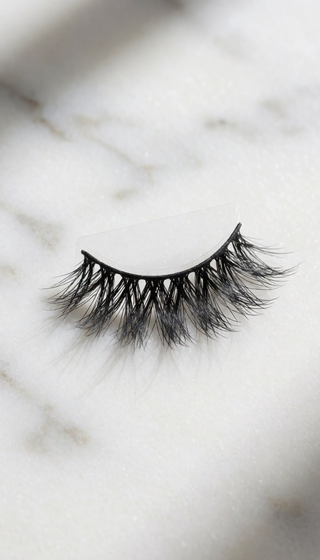
PHANSTA LASHES has engineered a style that provides the desired density and shape without relying on traditional sticky formulas. The technology utilizes micro-adhesion, allowing the lashes to sit securely on the natural lash line without any liquid glue touching the sensitive skin. This design ensures that your eyes remain comfortable while achieving a high-impact, polished look that lasts for over 30 wears.
FREQUENTLY ASKED QUESTIONS
Can an allergic reaction to lash glue happen even after months of use?
Yes. Contact allergies can build up over time. Your immune system may suddenly identify an ingredient as a threat, even if you've used the same glue for years.
Can I use eye drops to wash out my eye if glue got inside?
No. Eye drops are not a rinse. If glue gets into your eye, flush with lukewarm water for 15 minutes and see an eye doctor if you have persistent redness, pain, or blurry vision.
What are the most common allergens in lash glue?
Cyanoacrylate (the main adhesive ingredient), formaldehyde (used as a preservative), latex, and fragrance are the usual culprits.
How long does it take for swelling to go down after removal?
Most mild reactions begin to settle within 24 to 72 hours, provided you are using appropriate soothing care and avoiding further irritants.
Are PHANSTA LASHES suitable for sensitive eyes?
Yes, PHANSTA LASHES utilizes micro-adhesion technology, which is designed to be glue-free and hypoallergenic, making them a preferred option for those with sensitive eyes.
📚 Browse our complete library of lash guides →
Experience the Difference of PHANSTA LASHES
Quick to apply, gentle on eyes, beautiful all day. Reusable 30+ wears per pair.
SHOP PHANSTA LASHES — GLUE-FREE, 30+ WEARS →